All comparisonsVS
Why We Sleep
Matthew Walker
How We Learn
Benedict Carey
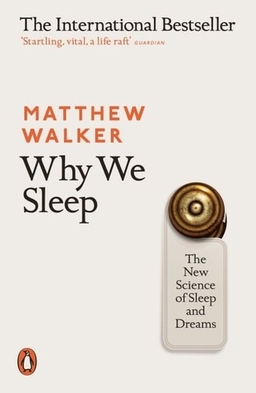
Why We Sleep
Matthew Walker
- Pages
- 368
- Focus
- A neuroscientist's alarming case that sleep deprivation is destroying our health, memory, creativity, and lifespan — and most of us are chronically underslept.
- Best for
- Anyone who sleeps less than eight hours and thinks they're fine — this book will terrify you into changing your habits.
- Style
- Scientific
How We Learn
Benedict Carey
- Pages
- 272
- Focus
- A science journalist's tour of learning research — showing that many intuitive study habits are wrong and that distraction, forgetting, and sleep actually help us learn.
- Best for
- Students, teachers, and lifelong learners who want evidence-based techniques to retain more with less grinding.
- Style
- Practical
Similarities
- Both argue that sleep is essential to memory consolidation and learning — it's not wasted time
- Both draw on neuroscience and cognitive psychology to challenge conventional wisdom
- Both are written to change the reader's daily behavior, not just inform
Differences
- Walker is laser-focused on sleep as the single most important health behavior; Carey covers the full landscape of learning science including spacing, interleaving, and testing effects
- Why We Sleep is alarmist by design — Walker wants to scare you into sleeping more; How We Learn is encouraging, showing you're probably learning more than you think
- Walker writes as a researcher presenting his own lab's findings; Carey writes as a journalist synthesizing decades of research from many labs
Our Verdict
Read Why We Sleep first — it will rewire your priorities overnight, literally. Once you're sleeping properly, pick up How We Learn to optimize what you do with your waking hours. Walker changes your lifestyle; Carey changes your strategy. You need both.
Read both: 12 hours