All comparisonsVS
Middlesex
Jeffrey Eugenides
The Brief Wondrous Life of Oscar Wao
Junot Diaz
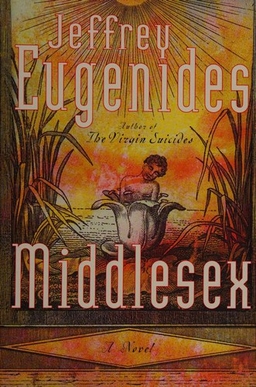
Middlesex
Jeffrey Eugenides
- Pages
- 529
- Focus
- A intersex narrator traces the recessive gene that shaped their body back through three generations of a Greek-American family, turning a genetic odyssey into an epic about identity, secrecy, and reinvention.
- Best for
- Readers who want a Great American Novel that's also a deeply personal story about the body you're born with, the gender you discover, and the family mythology that contains both.
- Style
- Narrative
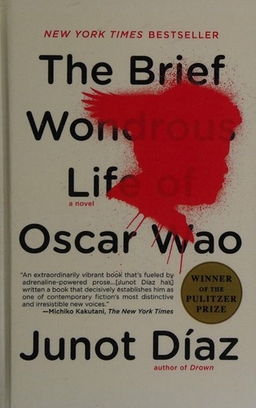
The Brief Wondrous Life of Oscar Wao
Junot Diaz
- Pages
- 335
- Focus
- A lovesick, overweight Dominican-American nerd tries to lose his virginity and escape a family curse — the fuku — that traces back to the Trujillo dictatorship and destroys everyone it touches.
- Best for
- Readers who want a novel that mixes Tolkien footnotes with Dominican history, comic-book energy with political horror, and makes you laugh on the same page you're reading about torture.
- Style
- Narrative
Similarities
- Both are multigenerational immigrant family sagas that trace how Old World trauma (Greek incest taboos, Dominican dictatorship) mutates as it crosses the Atlantic and lodges in American-born children's bodies and psyches.
- Both feature omniscient narrators with distinctive, virtuosic voices who directly address the reader, blending humor, scholarship, and raw emotion into a style that feels entirely new.
- Both treat the body as destiny and rebellion simultaneously — Cal's intersex body and Oscar's fat, unloved body are sites where family history, cultural expectation, and personal identity collide violently.
Differences
- Eugenides writes with classical patience — Middlesex unfolds like a 19th-century epic, with long set pieces (the burning of Smyrna, Detroit race riots) rendered in elegant, unhurried prose; Diaz writes with punk urgency — footnotes interrupt the text, Spanglish erupts mid-sentence, and the narrator's voice is so aggressively present it practically grabs your collar.
- Middlesex centers on gender and sexuality as its core mystery — Cal's body is the book's engine; Oscar Wao centers on political violence and its generational curse — Trujillo's dictatorship haunts every storyline, and Oscar's romantic failures are symptoms of a deeper historical wound.
- Middlesex offers its protagonist eventual self-acceptance and a kind of peace; Oscar Wao offers its protagonist a brief, doomed love and a violent end — Diaz refuses the consolation that Eugenides cautiously extends.
Our Verdict
Start with Oscar Wao. It's shorter, faster, and hits like a freight train made of pop culture references and political history. Diaz's voice is so electric it'll ruin lesser novels for a week. Then read Middlesex, which is slower and more architecturally ambitious — a book that earns its epic scope page by patient page. Oscar Wao is the shot of espresso; Middlesex is the long, revelatory meal that follows.
Read both: 14 hours