All comparisonsVS
Emotional Intelligence
Daniel Goleman
Social Intelligence
Daniel Goleman
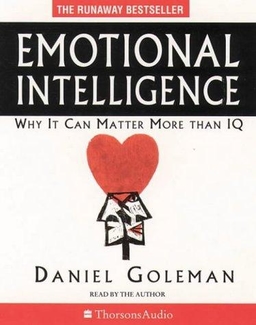
Emotional Intelligence
Daniel Goleman
- Pages
- 352
- Focus
- The groundbreaking case that EQ — self-awareness, self-regulation, empathy, and motivation — matters more than IQ for success in life and work.
- Best for
- Anyone who has wondered why some brilliant people fail while emotionally attuned people thrive — and wants to develop that attunement.
- Style
- Scientific
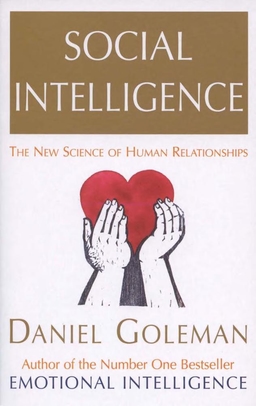
Social Intelligence
Daniel Goleman
- Pages
- 416
- Focus
- How our brains are wired for connection and how every interaction literally reshapes our neurobiology — for better or worse.
- Best for
- People who understood EQ conceptually but want to grasp the neuroscience of why certain people drain you and others energize you.
- Style
- Scientific
Similarities
- Both are written by Goleman and draw on neuroscience research to argue that relational skills are biologically grounded, not just soft skills
- Both make the case that emotional and social capacities can be developed throughout life — they are not fixed traits
- Both cover empathy extensively, treating it as the foundational skill for both personal well-being and professional effectiveness
Differences
- Emotional Intelligence focuses inward — understanding and managing your own emotions; Social Intelligence focuses outward — how your brain synchronizes with other brains during interaction
- Social Intelligence introduces the concept of 'neural Wi-Fi' — mirror neurons, spindle cells, and the neuroscience of emotional contagion — which barely appeared in the earlier book
- Emotional Intelligence is broader and more practical with workplace applications; Social Intelligence goes deeper into relationship neuroscience, attachment patterns, and the biology of toxic versus nourishing relationships
Our Verdict
Read Emotional Intelligence first — it's the classic that launched a revolution in how we think about human capability, and it's the more actionable of the two. Social Intelligence is the fascinating but denser sequel. Read it when you want to understand why your mood shifts around certain people and how relationships physically alter your brain. Together they're Goleman's complete picture of what makes humans tick.
Read both: 16 hours