The Universe from Start to Finish
Beginning with the broadest possible overview of science and ending with the poetic grandeur of Cosmos, this path takes you from knowing almost nothing about physics to genuinely understanding why the universe looks the way it does — and what we still don't know.
A Short History of Nearly Everything
Bill Bryson
Why read this now
Bryson is the ideal starting point because he assumes you know nothing and makes that okay. He covers everything from atoms to galaxies with humor and awe, giving you a mental scaffold that every subsequent book will hang details on. You'll finish it thinking 'I had no idea how wild science is' — and that curiosity is exactly the fuel you need.
Astrophysics for People in a Hurry
Neil deGrasse Tyson
Why read this now
After Bryson's sprawling tour, Tyson narrows the lens to astrophysics specifically and does it in under 200 pages. This is where you solidify the cosmic basics — dark matter, dark energy, the cosmic microwave background — in crisp, digestible chapters. It's a palate cleanser that sharpens your vocabulary before the heavier reads ahead.
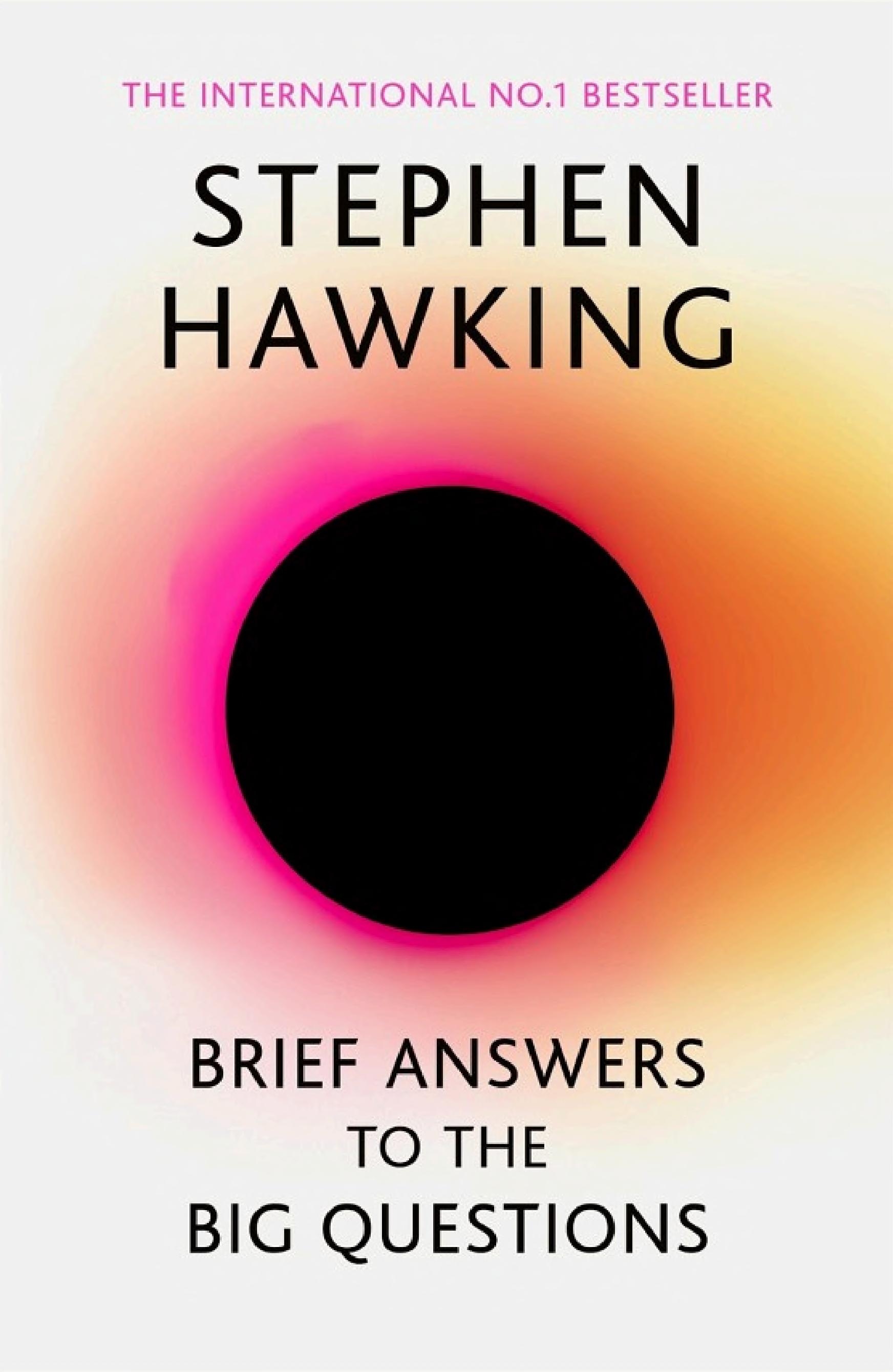
Brief Answers to the Big Questions
Stephen Hawking
Why read this now
Hawking tackles the questions Tyson hinted at: Is there a God? Will we survive on Earth? What's inside a black hole? This book works here because you now have enough physics literacy to follow Hawking's reasoning, and his question-driven format bridges the gap between popular science and the more theoretical territory coming next.
The Elegant Universe
Brian Greene
Why read this now
This is the path's most demanding book, and it belongs here because you've been building toward it. Greene explains string theory, extra dimensions, and the quest to unify physics with remarkable clarity. Hawking primed you to think about unification — Greene takes you deep into it. You'll emerge understanding why physicists think the universe might have eleven dimensions.
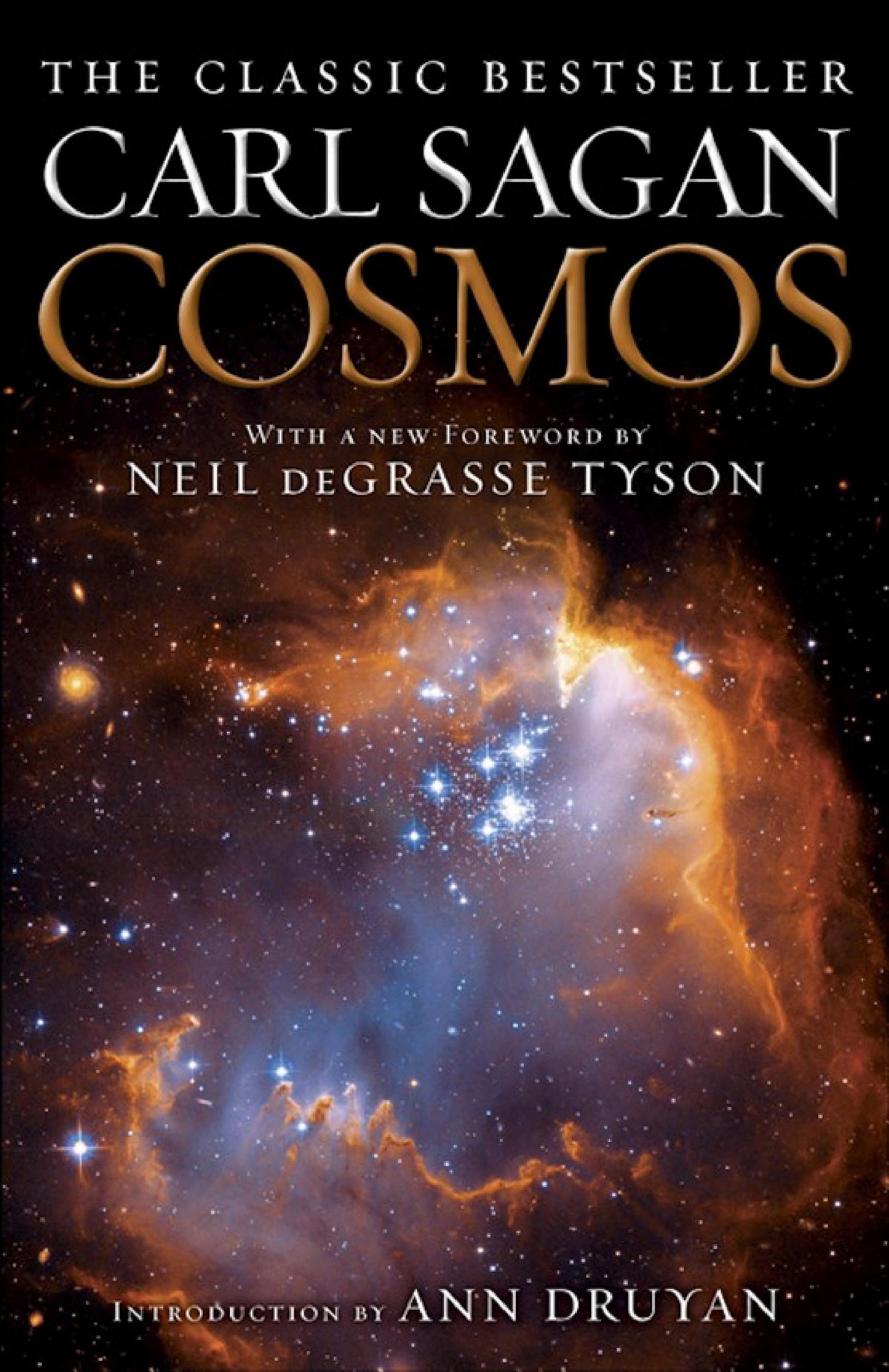
Cosmos
Carl Sagan
Why read this now
Sagan closes the path not with more physics but with perspective. After the technical climb of Greene, Cosmos pulls the camera back to ask what it all means for us — our place, our responsibility, our future. It's part science, part philosophy, part love letter to curiosity itself. There's no better book to end a journey through the universe.
Track Your Reading Path
Use ReadShelf to track your progress through any reading path. See how far you've come.
Start Reading