Understand Your Brain
A journey from the hidden biases in your thinking to the frontiers of neuroplasticity and psychedelic therapy — each book peels back another layer of why you think, feel, and act the way you do, and the order ensures you never get lost in the complexity.
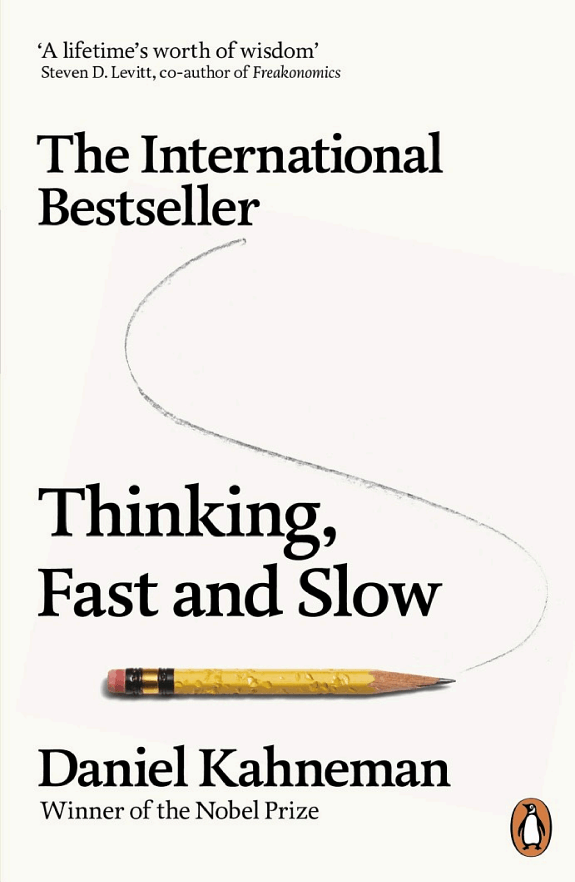
Thinking, Fast and Slow
Daniel Kahneman
Why read this now
You start here because Kahneman gives you the operating manual for your own cognitive machinery — System 1 and System 2. Every book that follows will reference biases, heuristics, and mental shortcuts, and without this foundation you'd be reading about the brain without understanding how it actually makes decisions in real time.

The Man Who Mistook His Wife for a Hat
Oliver Sacks
Why read this now
Now that you understand the normal brain's quirks, Sacks shows you what happens when things go wrong. These clinical stories are unforgettable and they reveal how fragile and modular our perception really is. You'll never take your sense of self for granted again, and that humility prepares you for the biological deep-dive coming next.
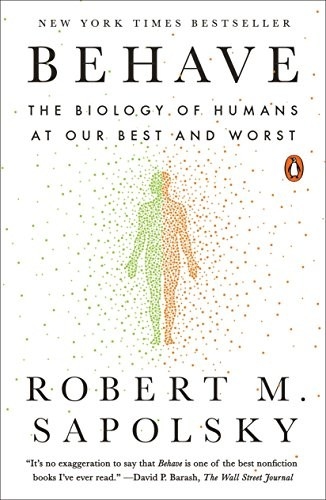
Behave
Robert Sapolsky
Why read this now
Sapolsky zooms out from individual brains to ask: why do humans do what they do? He walks backwards from a behavior — one second before, one hour before, one million years before — connecting neuroscience to hormones to evolution. This is the heaviest book on the path, but by now you have the cognitive and clinical groundwork to absorb it.
Livewired
David Eagleman
Why read this now
After Sapolsky's encyclopedic view, Eagleman delivers the most exciting idea in neuroscience: your brain rewires itself constantly. This book is the antidote to any determinism you might have picked up from Behave — it shows the brain is not fixed hardware but a living, adapting system that can plug into entirely new senses.
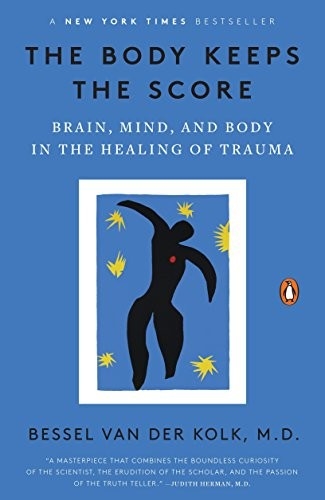
The Body Keeps the Score
Bessel van der Kolk
Why read this now
Van der Kolk bridges neuroscience and lived experience by showing how trauma literally reshapes brain structure. Placed after Livewired, you now understand both the brain's plasticity and its vulnerability. This book makes the science personal and urgent — it's where the path shifts from understanding to healing.
How to Change Your Mind
Michael Pollan
Why read this now
The perfect finale: Pollan explores psychedelics as a tool to reset the brain's default mode network. You've spent five books learning how the brain builds its patterns — now you see what happens when those patterns dissolve. It's thrilling, well-reported, and it ties together consciousness, therapy, and neuroplasticity into one narrative.
Track Your Reading Path
Use ReadShelf to track your progress through any reading path. See how far you've come.
Start Reading