Understand Power
An unflinching education in how power actually operates — from Machiavelli's courts to modern boardrooms — so you can recognize it, navigate it, and decide what kind of power you want to hold.
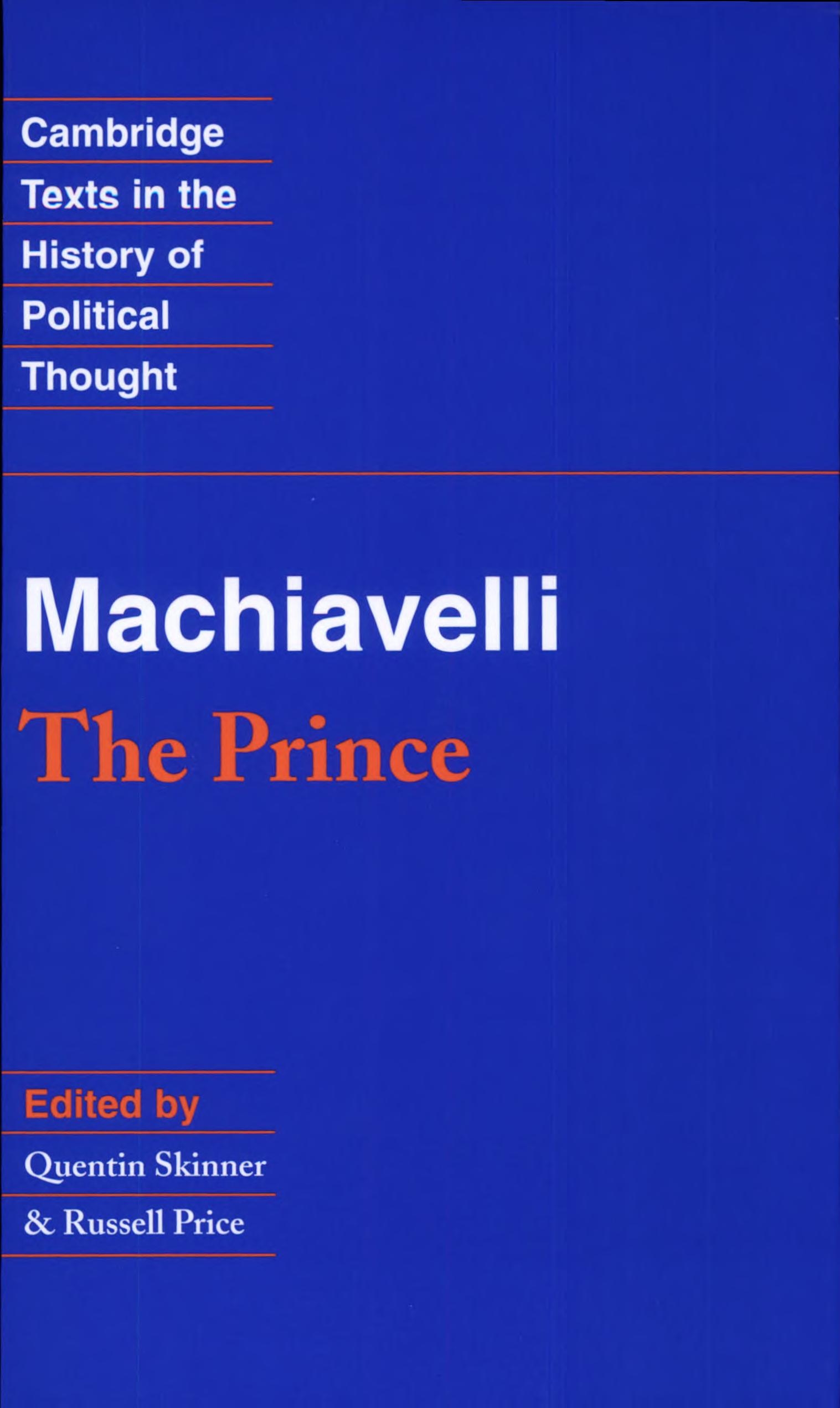
The Prince
Niccolo Machiavelli
Why read this now
You start with the original because every modern book on power is either building on Machiavelli or reacting against him. At barely 100 pages, it's a quick, bracing dose of realpolitik that strips away illusions about how leadership actually works. Read it as a diagnostic tool, not an instruction manual.
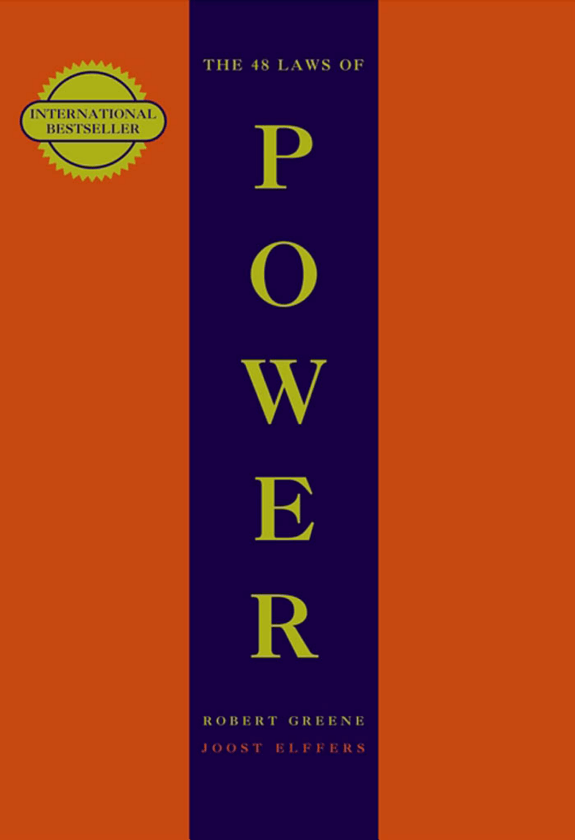
The 48 Laws of Power
Robert Greene
Why read this now
Greene expands Machiavelli's playbook into a comprehensive encyclopedia of power tactics drawn from 3,000 years of history. After The Prince primed you to see power without moralizing, Greene's laws feel like pattern recognition rather than shock. This is the most referenced book on power dynamics in the modern era, and you need its vocabulary before the critiques that follow.
Power: Why Some People Have It and Others Don't
Jeffrey Pfeffer
Why read this now
Machiavelli and Greene dealt in historical archetypes; Pfeffer brings power into your office. As a Stanford professor studying organizational behavior, he shows how power really operates in modern workplaces — and why nice, competent people often lose to politically savvy ones. This is the book that makes the abstract personal.
The Dictator's Handbook
Bruce Bueno de Mesquita
Why read this now
Now scale up from offices to nations. Bueno de Mesquita's 'selectorate theory' explains why democracies and dictatorships behave the way they do using one elegant framework — leaders stay in power by keeping their key supporters happy. After Pfeffer showed you power in small groups, this book reveals it operates by the same logic at every scale.
Moral Mazes
Robert Jackall
Why read this now
This unsettling sociological study of corporate managers shows what happens to ethics inside power structures. After four books teaching you how power works, Jackall forces you to confront what it does to the people who wield it. It's the necessary counterweight — the book that asks not 'how do I get power' but 'what will power do to me?'
New Power
Jeremy Heimans
Why read this now
Every previous book described 'old power' — top-down, hoarded, institutional. Heimans closes the path by mapping a fundamentally different kind of power — networked, participatory, and crowd-driven. After understanding how traditional power works from Machiavelli to Jackall, you end by seeing how the rules are being rewritten by movements, platforms, and open-source communities.
Track Your Reading Path
Use ReadShelf to track your progress through any reading path. See how far you've come.
Start Reading