Philosophy for Beginners
Instead of throwing you into dense academic texts, this path sneaks you into philosophy through a novel, then pairs each classic with a modern companion that makes the ideas feel alive — so by the time you reach existentialism, you're not just reading about it, you're thinking with it.
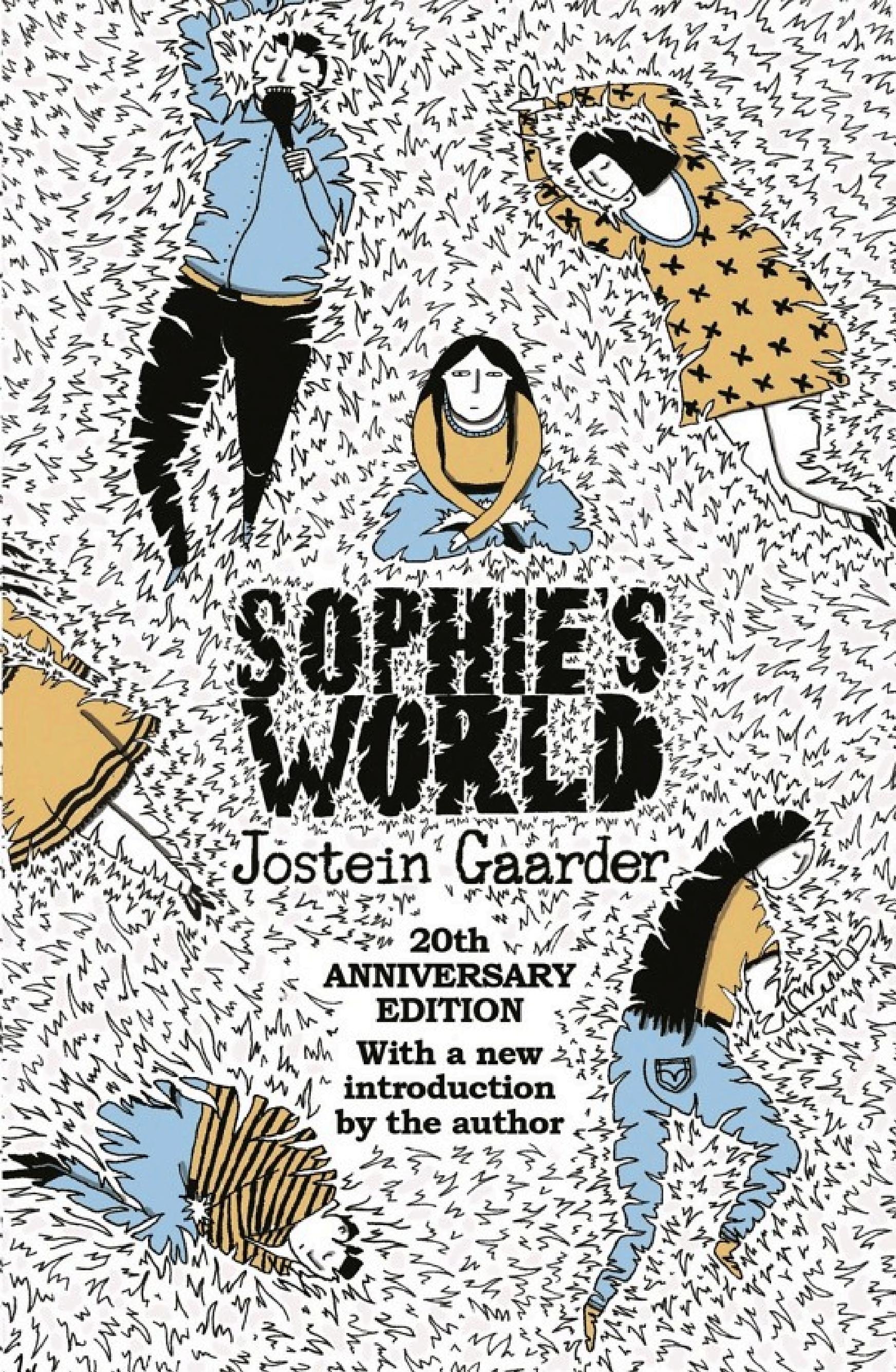
Sophie's World
Jostein Gaarder
Why read this now
A novel that doubles as a complete history of Western philosophy — this is the gentlest possible on-ramp. Gaarder walks you from the pre-Socratics to Sartre through the eyes of a curious teenager, and the narrative format means you absorb the big ideas without the intimidation of reading primary sources cold. Everything that follows will feel like meeting old friends.
Meditations
Marcus Aurelius
Why read this now
Your first primary source, and the most accessible one in all of philosophy. Marcus Aurelius wasn't writing for an audience — these are private journal entries from a Roman emperor trying to be a better person. After Sophie's World gave you the map, Meditations shows you what philosophy looks like when someone actually lives it. Short, profound, and immediately practical.
The Republic
Plato
Why read this now
Now you're ready for the foundational text of Western philosophy. Plato's dialogue format feels surprisingly modern, and the central question — what is justice? — pulls you through the famous allegory of the cave and the philosopher-king argument. You've met these ideas in Sophie's World; now you experience them in Plato's own voice, and the depth is staggering.
Heidegger's Being and Time: A Reader's Guide
William Blattner
Why read this now
Being and Time is one of the most important and most impenetrable books ever written. Blattner's guide gives you the essential ideas — Dasein, thrownness, being-toward-death — without the famously tortured prose. Placed after Plato, you can trace how philosophy evolved from asking 'what is the good life?' to asking 'what does it even mean to exist?'
At the Existentialist Café
Sarah Bakewell
Why read this now
Bakewell brings Heidegger, Sartre, Beauvoir, and Camus to life as real people arguing in Parisian cafés. After wrestling with Heidegger's abstractions through Blattner, this book makes existentialism feel human and urgent. You'll see how the ideas you've been studying actually shaped 20th-century life, art, and politics.
How to Live: A Life of Montaigne
Sarah Bakewell
Why read this now
The perfect ending: Bakewell profiles Montaigne, the original essayist who asked 'how to live?' four centuries before existentialism. After traveling from ancient Greece through German phenomenology to Parisian cafés, you return to the simplest and most personal version of the philosophical question. Montaigne proves that philosophy isn't a system — it's a way of paying attention.
Track Your Reading Path
Use ReadShelf to track your progress through any reading path. See how far you've come.
Start Reading