The Evolution of Humanity
Trace the full arc of our species — from the cognitive revolution 70,000 years ago to the AI-driven future ahead — with each book adding a new explanatory lens (history, geography, genetics, neuroscience, speculation) so that by the end you can think about humanity the way a biologist, historian, and futurist would all at once.
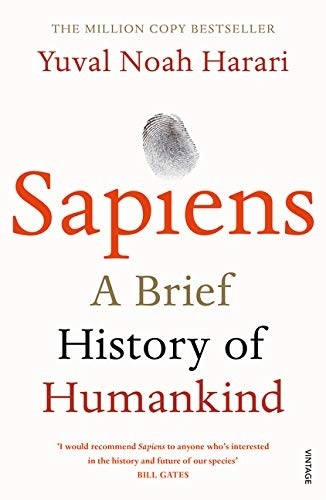
Sapiens
Yuval Noah Harari
Why read this now
Harari's grand narrative is the only starting point that makes sense — he compresses 300,000 years into one addictive read and introduces the key idea that shared myths (religion, money, nations) are what made Homo sapiens the dominant species. Every book that follows either deepens or challenges a claim Harari makes here.

Guns, Germs, and Steel
Jared Diamond
Why read this now
Where Harari says 'myths conquered the world,' Diamond asks 'but why did some civilizations get to conquer and others didn't?' His answer — geography, agriculture, and disease — adds the environmental layer that Sapiens mostly glosses over. You'll never look at a world map the same way after reading why Eurasia's east-west axis changed everything.
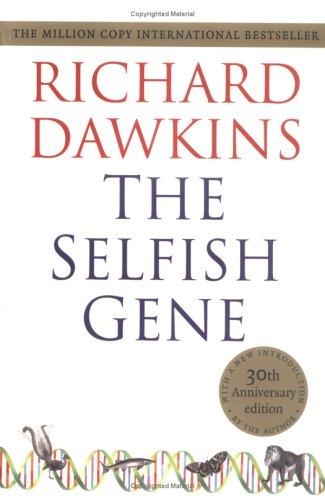
The Selfish Gene
Richard Dawkins
Why read this now
Now you zoom in from civilizations to the gene itself. Dawkins reframes evolution as something that happens to genes, not species, and introduces the concept of memes along the way. This book gives you the biological engine beneath everything Diamond and Harari described — it's the 'why' under the 'what.'
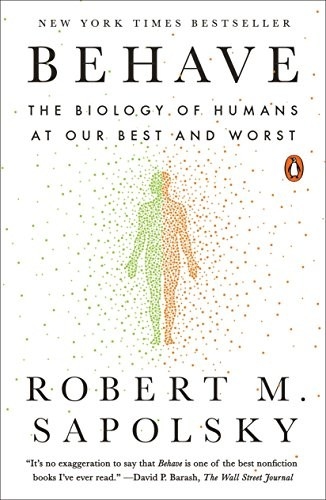
Behave
Robert Sapolsky
Why read this now
Sapolsky bridges genes and culture by tracing every human behavior back through layers of causation — neural, hormonal, developmental, evolutionary. After Dawkins gave you the gene's-eye view, Sapolsky shows how those genes actually express themselves in real human brains making real decisions. It's the most rigorous book on this path and it earns its place here.
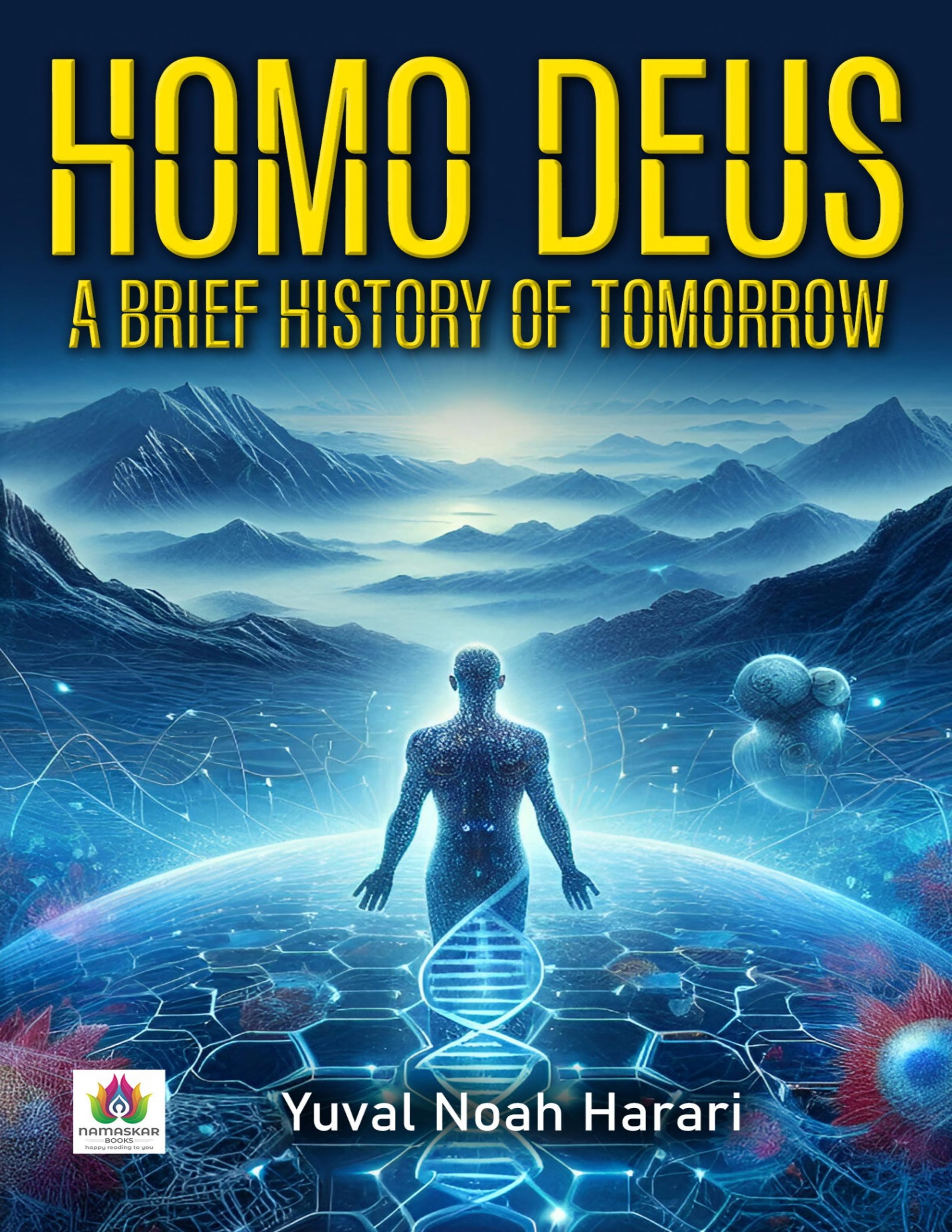
Homo Deus
Yuval Noah Harari
Why read this now
Harari returns, but now instead of looking backward he looks forward. Having spent four books understanding how we got here, you're ready for his provocative thesis: that humanity's next project is upgrading itself into something post-human. The biological and historical literacy you've built makes his predictions feel less like science fiction and more like plausible extrapolation.
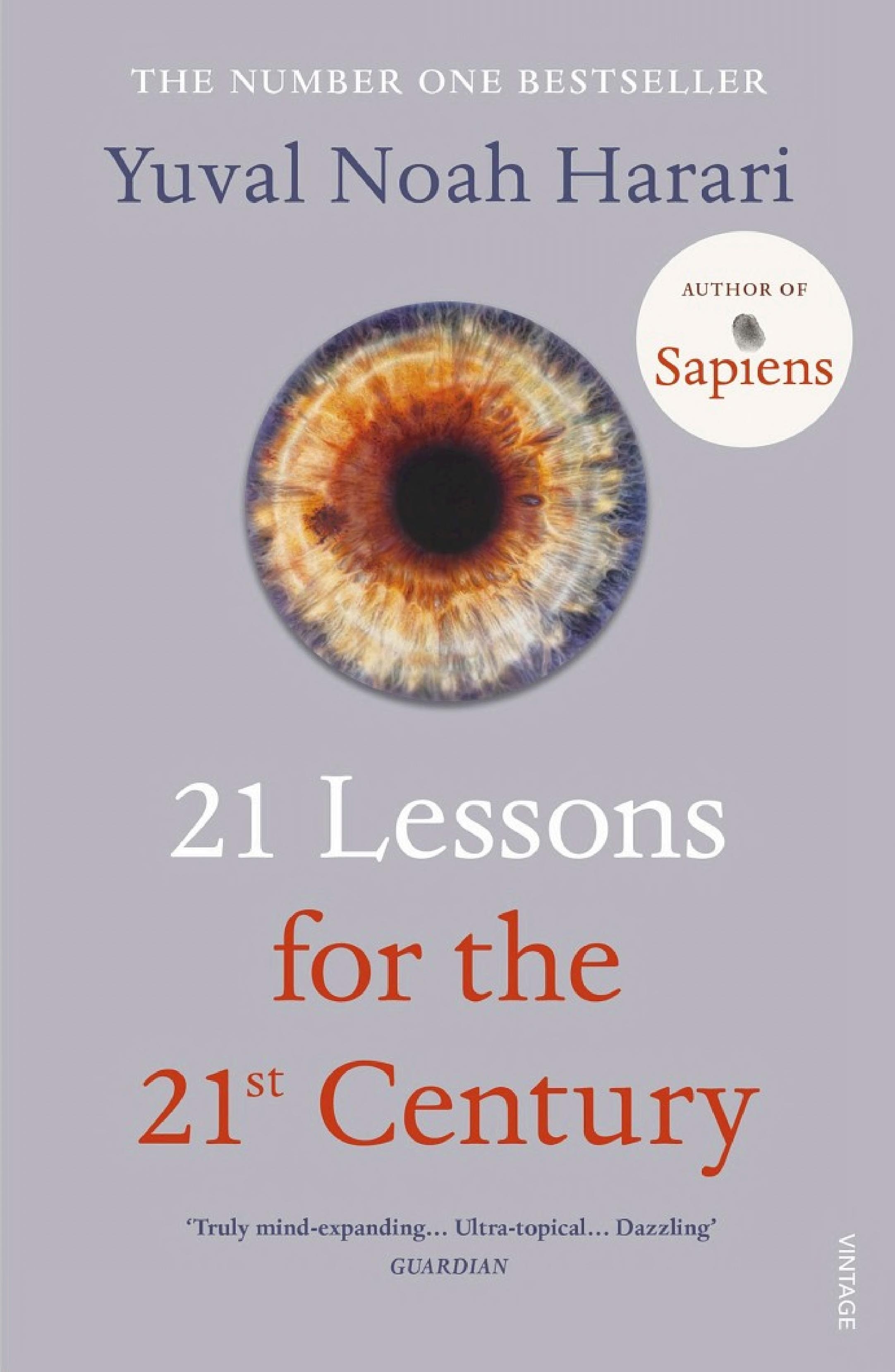
21 Lessons for the 21st Century
Yuval Noah Harari
Why read this now
The trilogy closer brings everything back to the present moment. After the deep past of Sapiens and the speculative future of Homo Deus, this book asks: what do you actually do with all this knowledge right now? It covers AI, nationalism, religion, and meditation with the urgency of someone who has read the same five books you just did.
Track Your Reading Path
Use ReadShelf to track your progress through any reading path. See how far you've come.
Start Reading