Epic Fantasy Journey
From the book that invented modern fantasy to the writers reinventing it today — ordered so the tropes deepen, darken, and finally shatter, giving you the full arc of what the genre can do.
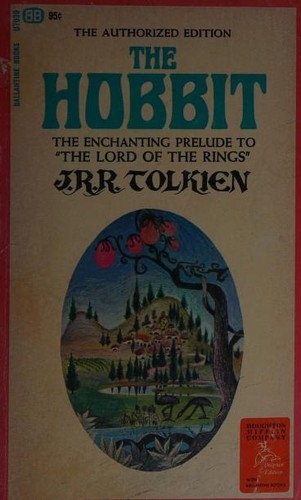
The Hobbit
J.R.R. Tolkien
Why read this now
The wellspring. Tolkien wrote this as a children's story, and its warmth and simplicity establish the baseline: a reluctant hero, a quest, a dragon. Every fantasy book that follows is either building on this foundation or deliberately rebelling against it. Either way, you need it first.
The Fellowship of the Ring
J.R.R. Tolkien
Why read this now
The Hobbit was the appetizer; this is where Tolkien reveals the full scope of what fantasy worldbuilding can be. Languages, histories, songs, entire civilizations — and a quest so archetypal it became the template for the entire genre. Read it to understand what everyone else is responding to.
A Game of Thrones
George R.R. Martin
Why read this now
After Tolkien's noble heroism, Martin detonates it. The good don't always win, the villains have reasons, and beloved characters die without warning. This is fantasy growing up — and the shock only works because you've internalized Tolkien's rules first.
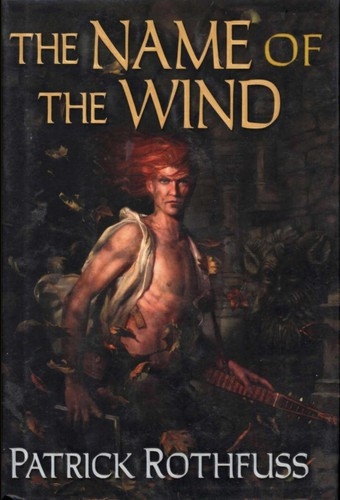
The Name of the Wind
Patrick Rothfuss
Why read this now
Rothfuss brings the prose back to beauty after Martin's brutal pragmatism. Kvothe's story is a bard's tale — lyrical, self-aware, and deeply concerned with how stories shape reality. It's the bridge between Tolkien's romanticism and modern fantasy's complexity.
The Fifth Season
N.K. Jemisin
Why read this now
Jemisin shatters every remaining convention. Second-person narration, a world that literally breaks itself, and a story about systemic oppression told through seismology. After four books that refined the genre's traditions, this one proves fantasy can do anything — and must.
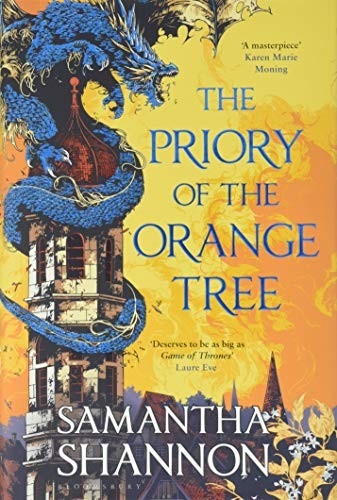
The Priory of the Orange Tree
Samantha Shannon
Why read this now
A standalone epic in a genre addicted to series. Shannon builds a world as rich as Tolkien's, as politically complex as Martin's, and centers women and queer characters without making it a thesis statement. It's the genre arriving at its full, inclusive potential.
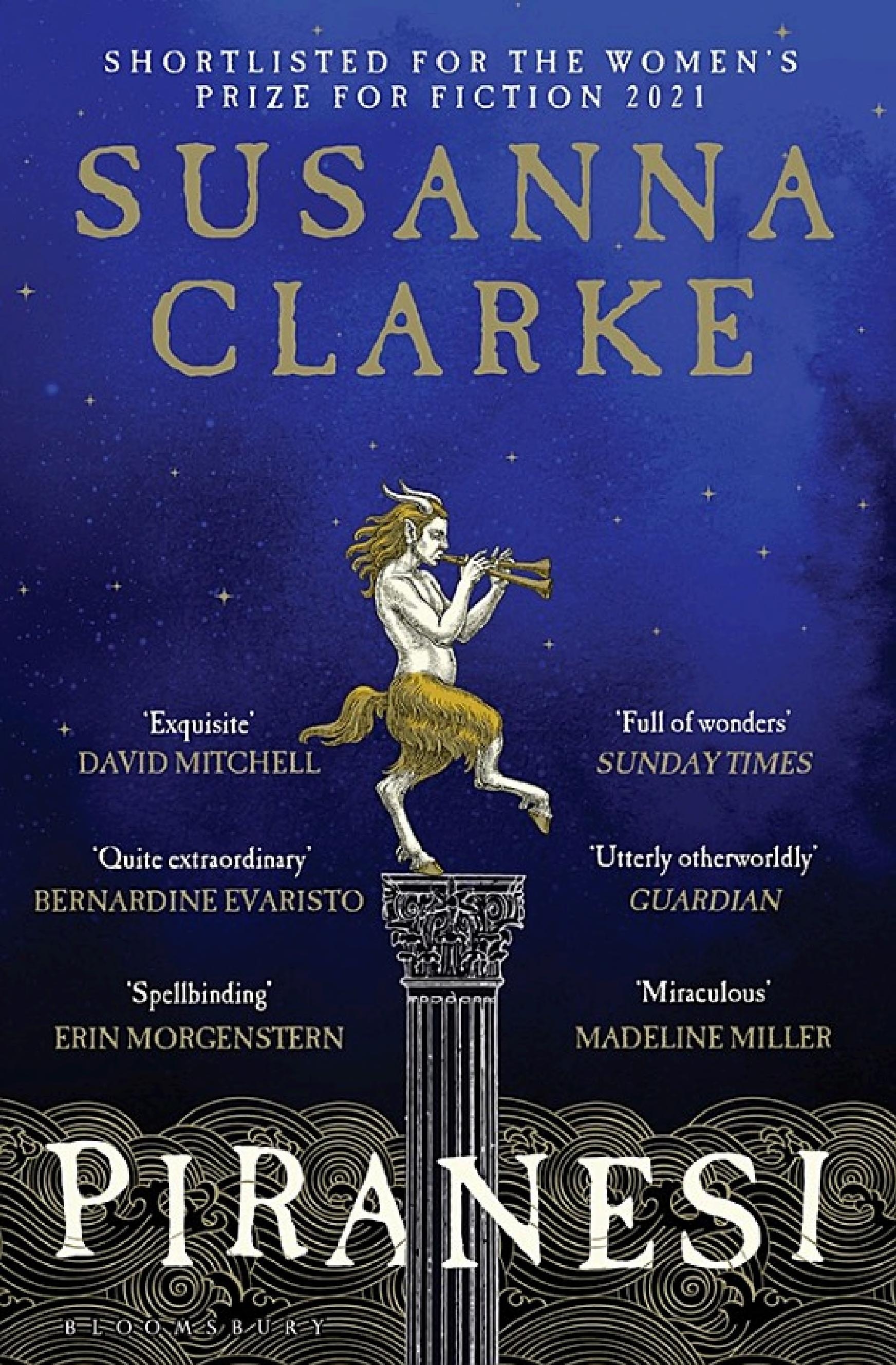
Piranesi
Susanna Clarke
Why read this now
After six books of sprawling worlds, Clarke proves that fantasy's power isn't in scale but in mystery. Her labyrinthine house contains more wonder per page than most thousand-page epics. It's the perfect palate cleanser and a reminder that the genre's heart is awe, not size.
Track Your Reading Path
Use ReadShelf to track your progress through any reading path. See how far you've come.
Start Reading