Emotional Resilience
A no-nonsense progression from understanding suffering to building genuine toughness — without fake positivity, hustle culture, or pretending pain doesn't exist.
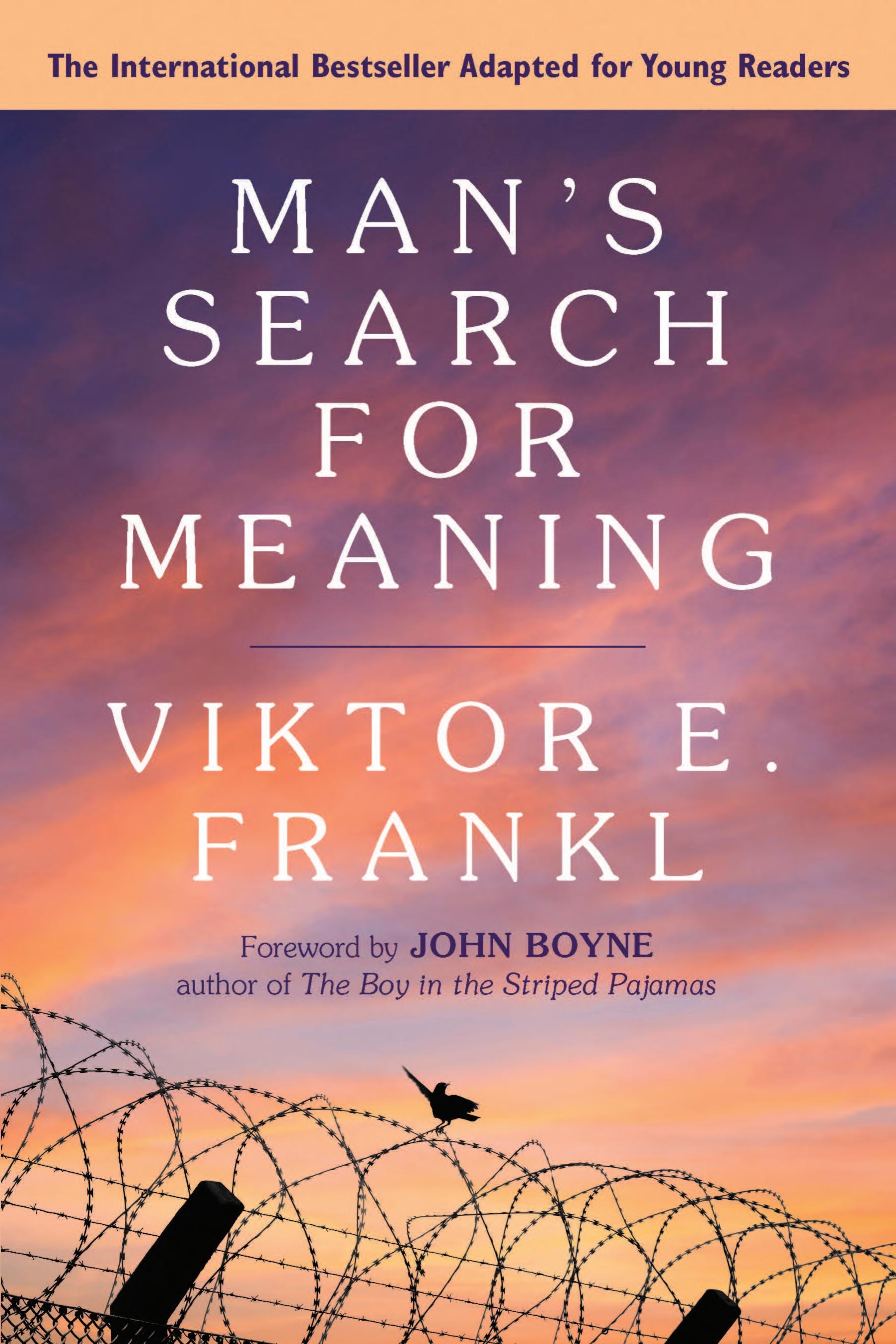
Man's Search for Meaning
Viktor E. Frankl
Why read this now
You start with the most extreme test of resilience ever documented. Frankl's account of finding purpose in Auschwitz sets the bar for the entire path — after this, no other book can sell you shallow optimism. His core insight that meaning can be found in any suffering becomes the philosophical bedrock for everything that follows.
Option B
Sheryl Sandberg
Why read this now
Frankl showed resilience under extraordinary circumstances; Sandberg brings it to ordinary life. After her husband's sudden death, she studied the science of recovering from loss and adversity. This bridges Frankl's philosophy with modern psychology research, and her honesty about grief makes the science feel lived rather than theoretical.
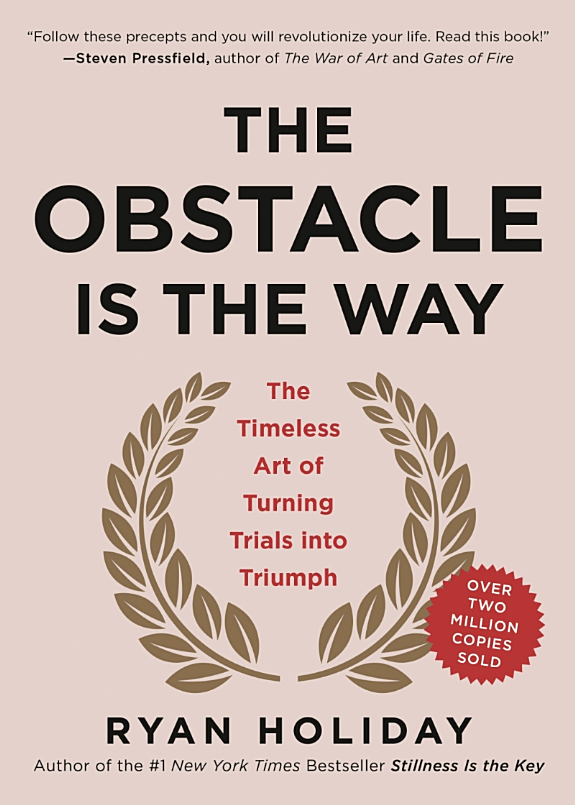
The Obstacle Is the Way
Ryan Holiday
Why read this now
With Frankl's meaning-making and Sandberg's grief science in place, Holiday introduces the Stoic framework — that obstacles aren't interruptions to your life but the raw material for growth. It's placed here rather than first because Stoicism can feel glib without first sitting with real suffering. After Frankl and Sandberg, it feels earned.
Emotional Agility
Susan David
Why read this now
Holiday told you to push through obstacles; David adds the crucial nuance — you need to feel your emotions fully before you can act on them wisely. Her research at Harvard shows that emotional rigidity, not negative emotions, is the real enemy. This book prevents the Stoic framework from becoming emotional suppression.
Antifragile
Nassim Nicholas Taleb
Why read this now
Taleb introduces the mind-bending idea that some systems don't just survive stress — they get stronger from it. After learning to find meaning (Frankl), recover from loss (Sandberg), face obstacles (Holiday), and process emotions (David), Taleb reframes the entire path: you're not just building resilience, you're building antifragility. It's a paradigm shift that makes the earlier books even more powerful in retrospect.
Tiny Beautiful Things
Cheryl Strayed
Why read this now
After five increasingly analytical books, Strayed's collection of advice columns brings you back to raw human experience. Her compassionate, sometimes brutal honesty about pain, love, and perseverance demonstrates resilience not as a framework but as a daily practice. You end the path not with a theory but with a voice in your head that says: you will survive this, and here's how others have.
Track Your Reading Path
Use ReadShelf to track your progress through any reading path. See how far you've come.
Start Reading