Dystopia Essentials
A carefully ordered tour through humanity's darkest 'what ifs' — starting with censorship and conformity, escalating through totalitarianism and theocracy, and ending where civilization collapses entirely, so each book reframes the horrors of the last.
Fahrenheit 451
Ray Bradbury
Why read this now
The gentlest on-ramp: a world that chose comfort over knowledge. It's short, lyrical, and asks you one clean question — what if we stopped reading? — before the heavier books complicate that question a hundredfold.
1984
George Orwell
Why read this now
After Bradbury shows a society that numbed itself voluntarily, Orwell shows one crushed by force. The surveillance state, doublethink, and thought control hit harder once you've seen the soft version of surrender in Fahrenheit 451.
Brave New World
Aldous Huxley
Why read this now
The perfect counterpoint to 1984. Orwell feared the boot on the neck; Huxley feared we'd love our chains. Reading them back-to-back is one of the great one-two punches in all of literature — you'll argue with yourself about which future is more plausible.
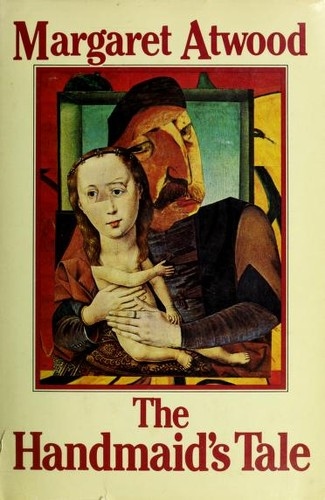
The Handmaid's Tale
Margaret Atwood
Why read this now
Now that you've seen dystopia through the lens of class and ideology, Atwood zeroes in on gender. Gilead feels unnervingly possible because it's built from pieces of real history — and after Orwell and Huxley, you'll recognize exactly which mechanisms of control she's drawing on.
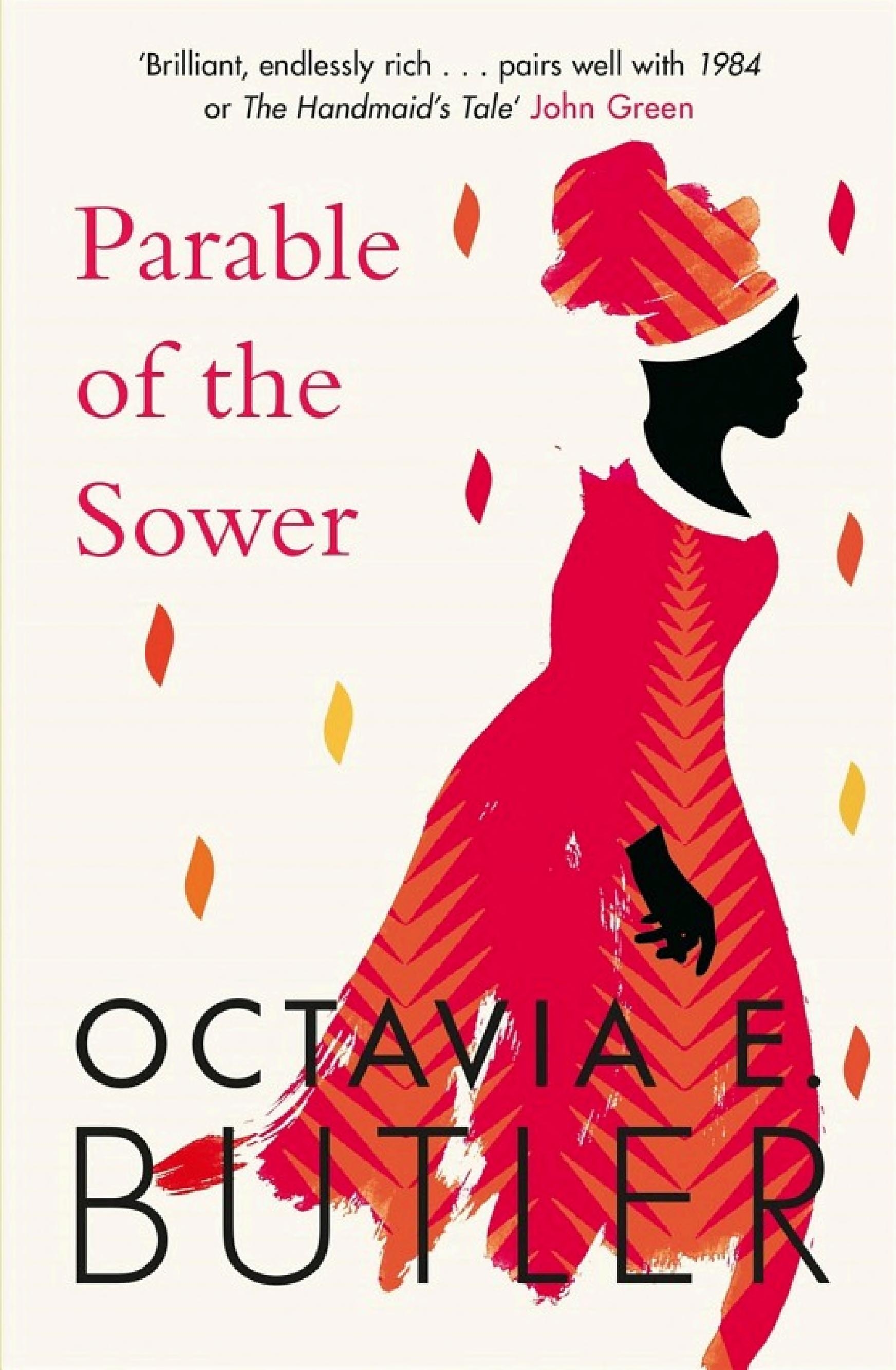
Parable of the Sower
Octavia E. Butler
Why read this now
Butler shifts the lens from government-imposed dystopia to societal collapse driven by climate change, inequality, and corporate greed. Written in 1993, it reads like prophecy. After the institutional horrors of the previous books, this one asks: what if the institutions simply fail?
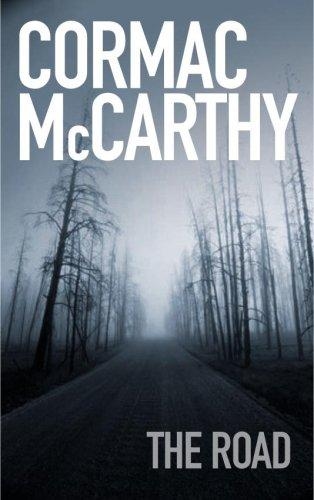
The Road
Cormac McCarthy
Why read this now
The endgame of every dystopian fear — civilization is gone, and all that's left is a father and son pushing a cart through ash. McCarthy strips away every system, every ideology, every comfort, and asks what remains. After five books about societies gone wrong, this one removes society entirely.
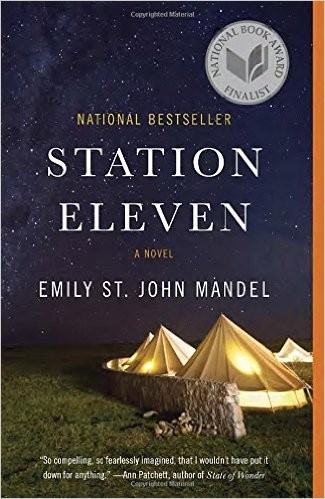
Station Eleven
Emily St. John Mandel
Why read this now
The path ends not with despair but with rebuilding. After McCarthy's nihilistic landscape, Mandel insists that art, memory, and human connection survive even the apocalypse. It's the answer to every question the previous six books raised — and the reason you keep reading.
Track Your Reading Path
Use ReadShelf to track your progress through any reading path. See how far you've come.
Start Reading