Become a Better Manager
The transition from doing great work yourself to getting great work out of others is the hardest career shift — these books walk you through it in the right order, from mindset to mastery.
The Making of a Manager
Julie Zhuo
Why read this now
The perfect starting point because Zhuo wrote it for people who just became managers and feel like imposters. It normalizes the awkwardness, covers the basics of 1:1s, feedback, and hiring, and gives you a foundation without overwhelming you with theory.
Radical Candor
Kim Scott
Why read this now
Once you understand the basics, your biggest challenge becomes giving honest feedback without being a jerk. Scott's framework of caring personally while challenging directly is the single most useful management concept. You need this early because avoiding hard conversations is the #1 new-manager mistake.
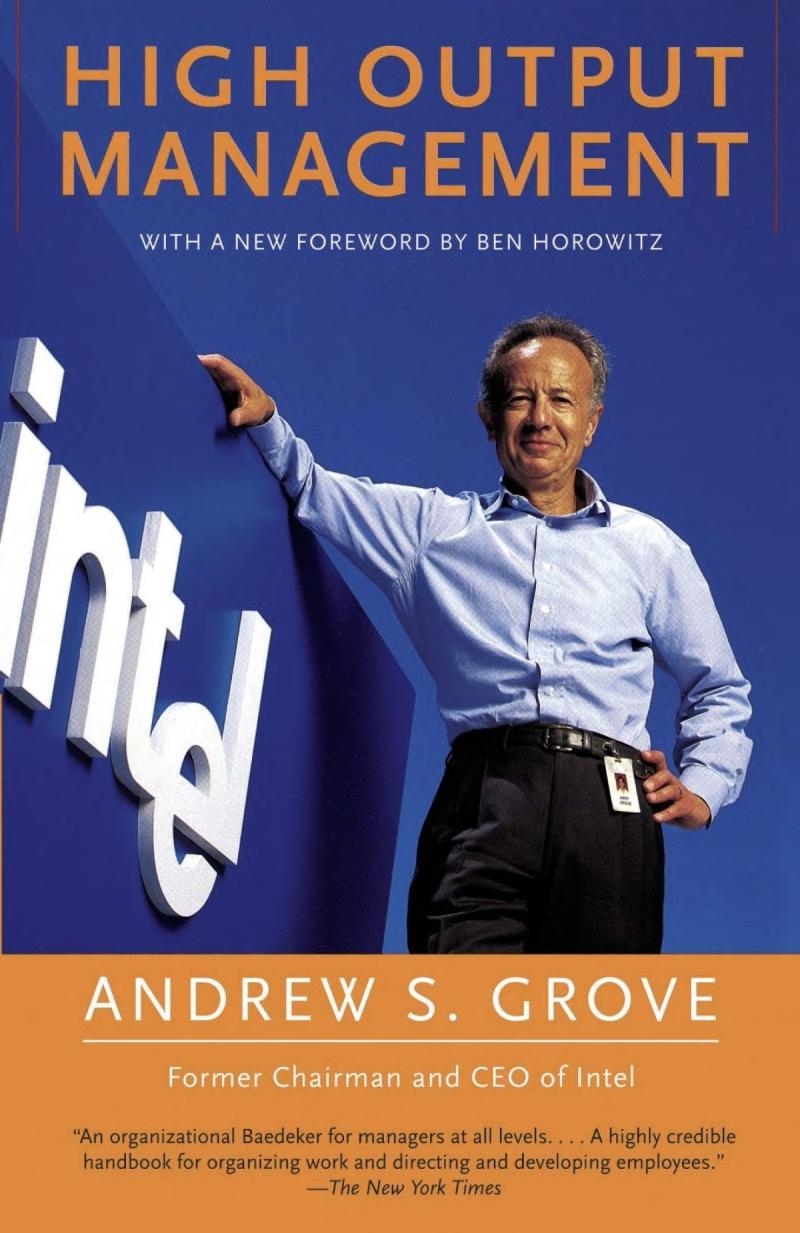
High Output Management
Andrew S. Grove
Why read this now
Now that you can have tough conversations, Grove teaches you to think about management as a system. His concept of managerial leverage — that your output is the output of your team — reframes everything. This is the intellectual backbone that separates good managers from great ones.
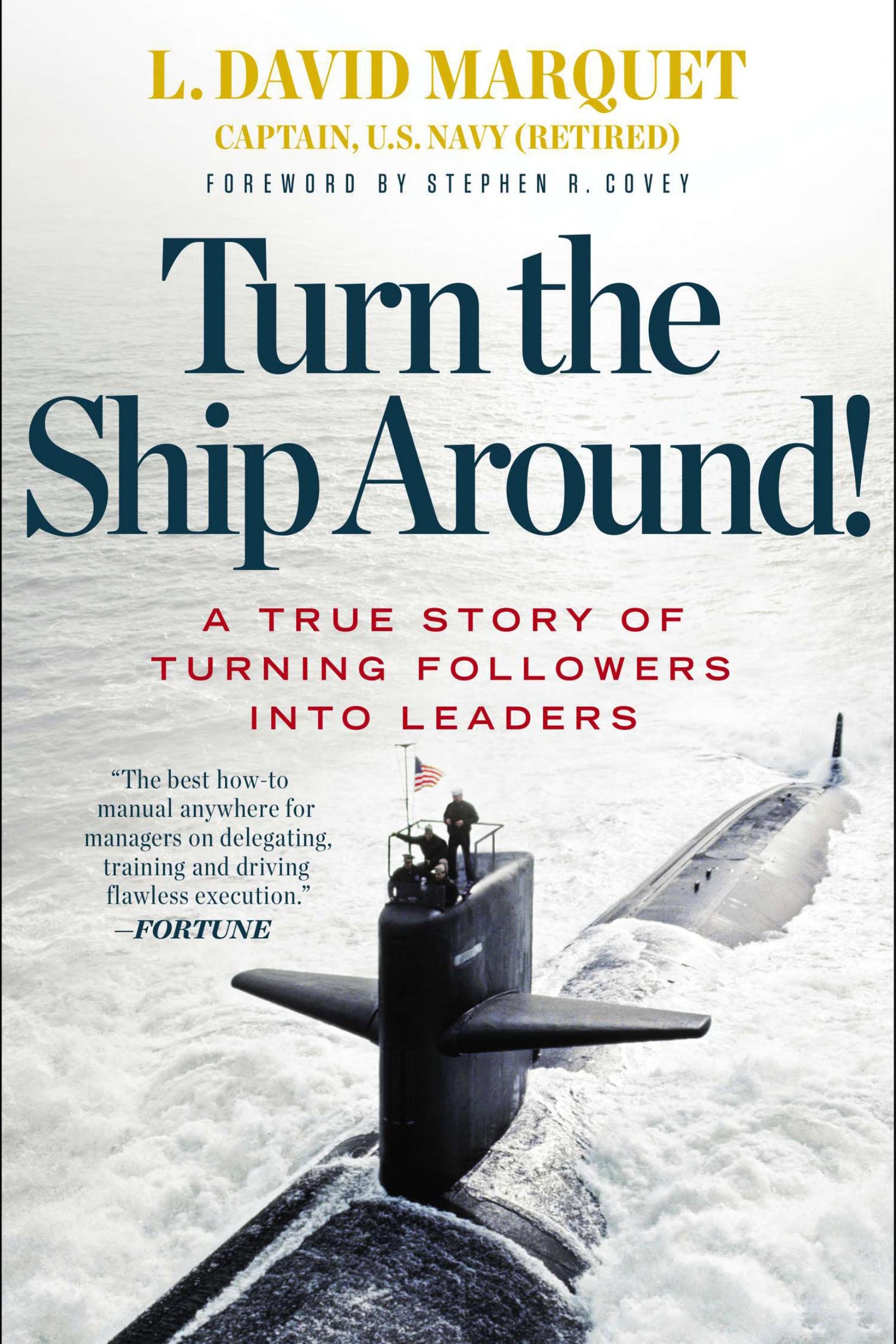
Turn the Ship Around!
L. David Marquet
Why read this now
Grove taught you leverage; Marquet teaches you how to multiply it by pushing decision-making down. His story of transforming a nuclear submarine crew from followers into leaders is the most convincing case for empowerment over control. You're ready for this because you now understand what you're delegating.

The Five Dysfunctions of a Team
Patrick Lencioni
Why read this now
Placed here because by now you've experienced team friction and need a diagnostic framework. Lencioni's pyramid — from trust to accountability to results — gives you a way to pinpoint exactly where your team is stuck. It's a quick read that you'll reference for years.
An Elegant Puzzle
Will Larson
Why read this now
The capstone for anyone managing in tech. Larson covers organizational design, migrations, succession planning, and the messy reality of managing multiple teams. You read this last because it assumes you already know the fundamentals and are ready to think about systems of teams, not just one team.
Track Your Reading Path
Use ReadShelf to track your progress through any reading path. See how far you've come.
Start Reading