All comparisonsVS
Meditations
Marcus Aurelius
Letters from a Stoic
Seneca
Meditations
Marcus Aurelius
- Pages
- 256
- Focus
- Marcus Aurelius was the most powerful man in the world — emperor of Rome, commander of legions, master of the known West — and he wrote this book for no one. It was a private journal, never intended for publication, discovered after his death in 180 AD. He was reminding himself, daily, to be better: more patient, less reactive, more present, less attached to outcomes. The man fighting wars on the Danube frontier, managing plagues, navigating court conspiracies, writes: 'You have power over your mind, not outside events.' 'The impediment to action advances action.' Seventeen centuries later, these lines appear in sports locker rooms, startup offices, and prison cells. No other book in history has had this kind of life.
- Best for
- Anyone who wants philosophy that actually changes how you move through a bad day. Leaders under pressure. Athletes. Anyone who keeps returning to the same anxieties and wants the most time-tested tool for quieting them. People who think Stoicism sounds cold — this book will prove them wrong.
- Style
- Intimate
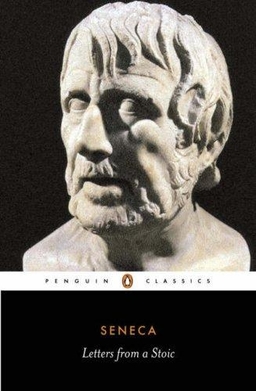
Letters from a Stoic
Seneca
- Pages
- 256
- Focus
- Lucius Annaeus Seneca was a playwright, advisor to Emperor Nero, the wealthiest man in Rome — and one of the most honest writers who ever lived about the gap between what we preach and what we practice. In the last years of his life (Nero would eventually order his suicide), he wrote 124 letters to his friend Lucilius. They read like emails from the wisest person you've ever known: on how to use time before it's gone, on friendship, on death, on why poverty is not what we fear but what we imagine. 'We suffer more in imagination than in reality.' 'Every day, acquire something that will fortify you against poverty, against death, against other misfortunes.' Two thousand years old. Written last Tuesday.
- Best for
- Readers who find Meditations too compressed and want Stoicism with more explanation, more humor, and more vulnerability. Anyone interested in time, mortality, and how to live the life you have. People who want philosophy in the form of a conversation — warm, specific, addressed to you.
- Style
- Conversational
Similarities
- The same philosophy, different voices. Both are Stoic texts built on the same foundations: distinguish what you control from what you don't, accept the latter, work on the former. The framework is identical. The personalities delivering it could not be more different.
- Written for themselves, not posterity. Aurelius wrote a private journal. Seneca wrote letters to a friend. Neither was composing for history. The result is a rawness and immediacy that academic philosophy never achieves — you feel the writer wrestling with the ideas in real time.
- Obsessed with time and death. Both books return constantly to mortality — not morbidly, but practically. How much time do you have? Are you using it? These questions appear on nearly every page, and their urgency is the engine of everything else.
Differences
- Commands vs conversations. Meditations reads like orders Aurelius gave himself: 'Do this. Stop that. Remember.' It's compressed, demanding, often harsh. Letters from a Stoic reads like a wise friend talking to you over dinner — expansive, digressive, warm. Completely different emotional textures.
- Private vs public. Aurelius was talking to himself — the book has no audience, no argument to make, no one to convince. Seneca was writing to Lucilius and, through him, to us — teaching, explaining, occasionally showing off. One is raw introspection; the other is mentorship.
- Rich vs richer. Aurelius was emperor but personally ascetic. Seneca was the wealthiest private citizen in Rome and openly grappled with the contradiction of preaching non-attachment while owning vast estates. His self-awareness about this hypocrisy makes him more human and in some ways more instructive.
Our Verdict
Read Meditations when you need a cold shock — when you're being reactive, self-pitying, or lost in catastrophe. Read Letters from a Stoic when you want to think alongside someone — when you want philosophy to feel like a relationship rather than a prescription. Both are essential. Meditations is a mirror. Letters is a conversation. Most people find they need the mirror first, and the conversation to sustain them.
Read both: 9 hours