All comparisonsVS
Man's Search for Meaning
Viktor E. Frankl
When Breath Becomes Air
Paul Kalanithi
Man's Search for Meaning
Viktor E. Frankl
- Pages
- 184
- Focus
- A Holocaust survivor's argument that finding purpose is the deepest human need — and the key to enduring unimaginable suffering.
- Best for
- Anyone in a period of suffering or existential questioning who needs proof that meaning can be found in the darkest circumstances.
- Style
- Philosophical
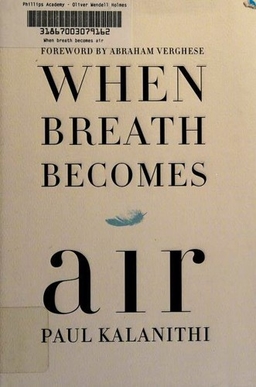
When Breath Becomes Air
Paul Kalanithi
- Pages
- 256
- Focus
- A young neurosurgeon's memoir of confronting his own terminal cancer diagnosis and redefining what makes a life worth living.
- Best for
- Anyone grappling with mortality or major life transitions who wants to feel less alone in that reckoning.
- Style
- Narrative
Similarities
- Both are short, devastating books written by men who faced death and chose to find meaning rather than despair
- Both reject the idea that a good life requires longevity — both argue it requires purpose and presence
- Both blend personal memoir with philosophical reflection without ever becoming preachy or abstract
Differences
- Frankl's book is split into memoir and theory — the second half formally introduces logotherapy as a psychological framework; Kalanithi stays purely in narrative throughout
- Frankl writes from the vantage of survival and decades of subsequent clinical work; Kalanithi writes in real time, knowing he won't survive, which gives his prose an urgency Frankl's lacks
- Frankl focuses on meaning through suffering specifically; Kalanithi wrestles more with identity — what happens when you go from the doctor to the patient, from the future to the present
Our Verdict
Read Frankl first. It's one of the most important books of the twentieth century and it'll reshape how you think about hardship. Then read Kalanithi — it's the modern, intimate companion piece that will wreck you in the best possible way. Keep tissues nearby for both.
Read both: 8 hours