All comparisonsVS
The Handmaid's Tale
Margaret Atwood
Parable of the Sower
Octavia Butler
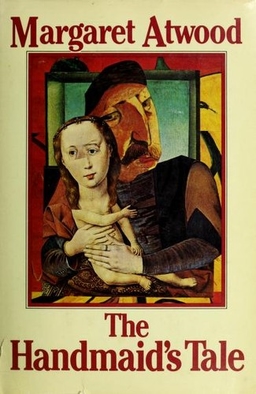
The Handmaid's Tale
Margaret Atwood
- Pages
- 311
- Focus
- A woman trapped in a theocratic regime that has reduced her to a reproductive vessel recounts how quickly a free society collapsed.
- Best for
- Readers who want a chilling, literary dystopia that shows how oppression doesn't arrive overnight — it creeps.
- Style
- Literary
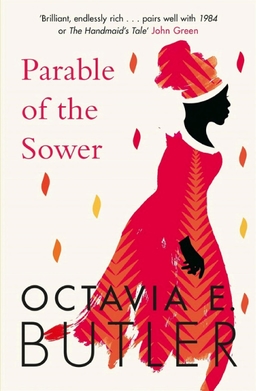
Parable of the Sower
Octavia Butler
- Pages
- 345
- Focus
- A young woman with hyperempathy syndrome builds a new belief system while fleeing through a climate-ravaged, collapsing America.
- Best for
- Anyone who wants dystopia that doesn't just warn but actively imagines how to build something new from the wreckage.
- Style
- Philosophical
Similarities
- Both depict American society collapsing into authoritarian violence through entirely plausible mechanisms — economics, religion, and fear
- Both are told through the intimate first-person voice of a woman navigating a world that specifically targets women's autonomy
- Both were written decades ago and feel more prescient now than when they were published
Differences
- Atwood's Gilead is an established regime; Butler's world is mid-collapse, showing the disintegration in real time
- Offred is trapped and passive by necessity, narrating from confinement; Lauren Olamina is actively moving, building, recruiting, and creating a religion
- The Handmaid's Tale is a warning about what we could lose; Parable of the Sower is a blueprint for what we might build after losing everything
Our Verdict
Read The Handmaid's Tale first — it's shorter, more focused, and its horror is immediate and visceral. Then read Parable of the Sower for the antidote: Butler doesn't just show you the fire, she hands you seeds to plant in the ashes. Together they're the most important dystopian pair of the last fifty years.
Read both: 14 hours