All comparisonsVS
Dark Matter
Blake Crouch
Recursion
Blake Crouch
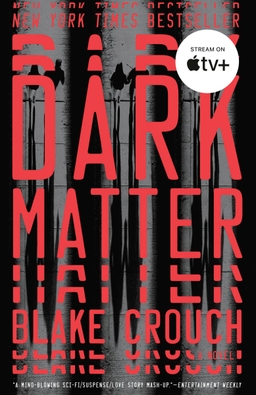
Dark Matter
Blake Crouch
- Pages
- 342
- Focus
- A physicist is kidnapped into an alternate version of his life and must navigate infinite parallel realities to find his way back to his family.
- Best for
- Readers who want a mind-bending thriller they'll finish in one sitting and then immediately want to discuss with someone.
- Style
- Scientific
Recursion
Blake Crouch
- Pages
- 320
- Focus
- A neuroscientist's memory technology accidentally lets people rewrite their pasts, triggering cascading reality failures across the world.
- Best for
- Anyone who wants a thriller that starts as a mystery, becomes sci-fi, and ends as a meditation on whether our memories are who we really are.
- Style
- Scientific
Similarities
- Both use a single high-concept scientific premise and chase its implications to their most terrifying logical extreme
- Both are structured as propulsive thrillers with short chapters designed to make you say 'just one more' until 3 AM
- Both ultimately argue that love and human connection are the only anchors in a universe that's more unstable than we think
Differences
- Dark Matter is a personal story about one man's choices; Recursion scales to a global catastrophe affecting millions
- Dark Matter plays with parallel universes and the road not taken; Recursion deals with memory, time, and whether rewriting your past changes who you are
- Dark Matter's tension comes from navigating infinite versions of one life; Recursion's horror comes from reality itself becoming unreliable for everyone
Our Verdict
Start with Dark Matter — it's the tighter, more focused book and a perfect entry point to Crouch's style. Recursion is the more ambitious novel with bigger ideas and higher emotional stakes. Dark Matter is the one you devour; Recursion is the one that stays with you.
Read both: 8 hours