All comparisonsVS
The Body Keeps the Score
Bessel van der Kolk
Emotional Intelligence
Daniel Goleman
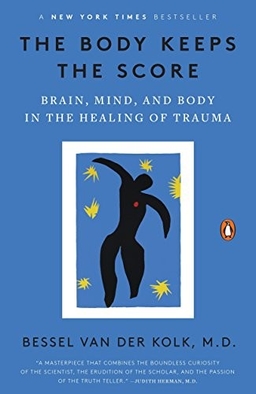
The Body Keeps the Score
Bessel van der Kolk
- Pages
- 464
- Focus
- How trauma reshapes the body and brain, and the innovative therapies that can help people reclaim their lives.
- Best for
- Therapists, trauma survivors, and anyone who wants to understand how unresolved trauma manifests physically and psychologically.
- Style
- Clinical
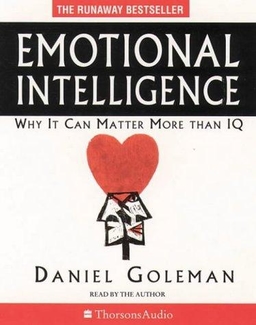
Emotional Intelligence
Daniel Goleman
- Pages
- 352
- Focus
- Why emotional intelligence — self-awareness, empathy, and social skill — matters as much as IQ for success in life.
- Best for
- Professionals and individuals who want to understand why managing emotions is the key to better relationships and performance.
- Style
- Accessible
Similarities
- Both argue that our emotional lives profoundly shape our physical health, relationships, and success
- Both draw on neuroscience to explain how the brain processes emotions and how that processing can go wrong
- Both have had massive cultural impact, shifting how millions think about mental health and emotional well-being
Differences
- The Body Keeps the Score focuses on trauma and its treatment; Emotional Intelligence covers the broader spectrum of emotional competency
- Van der Kolk writes from decades of clinical experience with traumatized patients; Goleman synthesizes research as a science journalist
- The Body Keeps the Score is heavier and more clinically detailed; Emotional Intelligence is lighter and more broadly applicable
Our Verdict
Read Emotional Intelligence if you want to understand why self-awareness and empathy matter and how to develop them in everyday life. Read The Body Keeps the Score if you or someone you care about has experienced trauma and you want to understand its deep imprint on body and mind. Together, they cover the full landscape of emotional health — from daily functioning to healing deep wounds.
Read both: 15 hours