Hermann Hesse
Charting the soul's journey toward self-realization through lyrical, philosophically rich novels that bridge Eastern and Western thought.
Biography
Hermann Hesse (1877–1962) was a German-born Swiss novelist, poet, and painter who won the Nobel Prize in Literature in 1946. His novels explore the individual's search for authenticity, self-knowledge, and spirituality, drawing heavily on Eastern philosophy and Jungian psychology. Works like Siddhartha, Steppenwolf, and The Glass Bead Game became countercultural touchstones in the 1960s and continue to resonate with readers seeking meaning beyond conventional society. Hesse's lyrical prose and deeply introspective themes have made him one of the most widely read German-language authors worldwide.
Best Starting Book
Siddhartha
Brief, profound, and beautifully written, it distills Hesse's central themes — the search for meaning, the limits of teaching, and the wisdom of experience — into a timeless parable.
Reading Order
Siddhartha
A short, luminous novel about one man's spiritual journey in ancient India — the most accessible and universally beloved of Hesse's works.
Steppenwolf
A daring, surreal exploration of a man torn between his intellectual and animal natures — Hesse at his most daring and modern.
Demian
A coming-of-age story about breaking free from conventional morality, rich with Jungian symbolism and youthful intensity.
Narcissus and Goldmund
A beautiful meditation on the tension between intellect and art, discipline and passion, through an unforgettable friendship.
The Glass Bead Game
Hesse's Nobel Prize-winning magnum opus — a dense, rewarding novel about a future society devoted to intellectual synthesis.
Books by Hermann Hesse
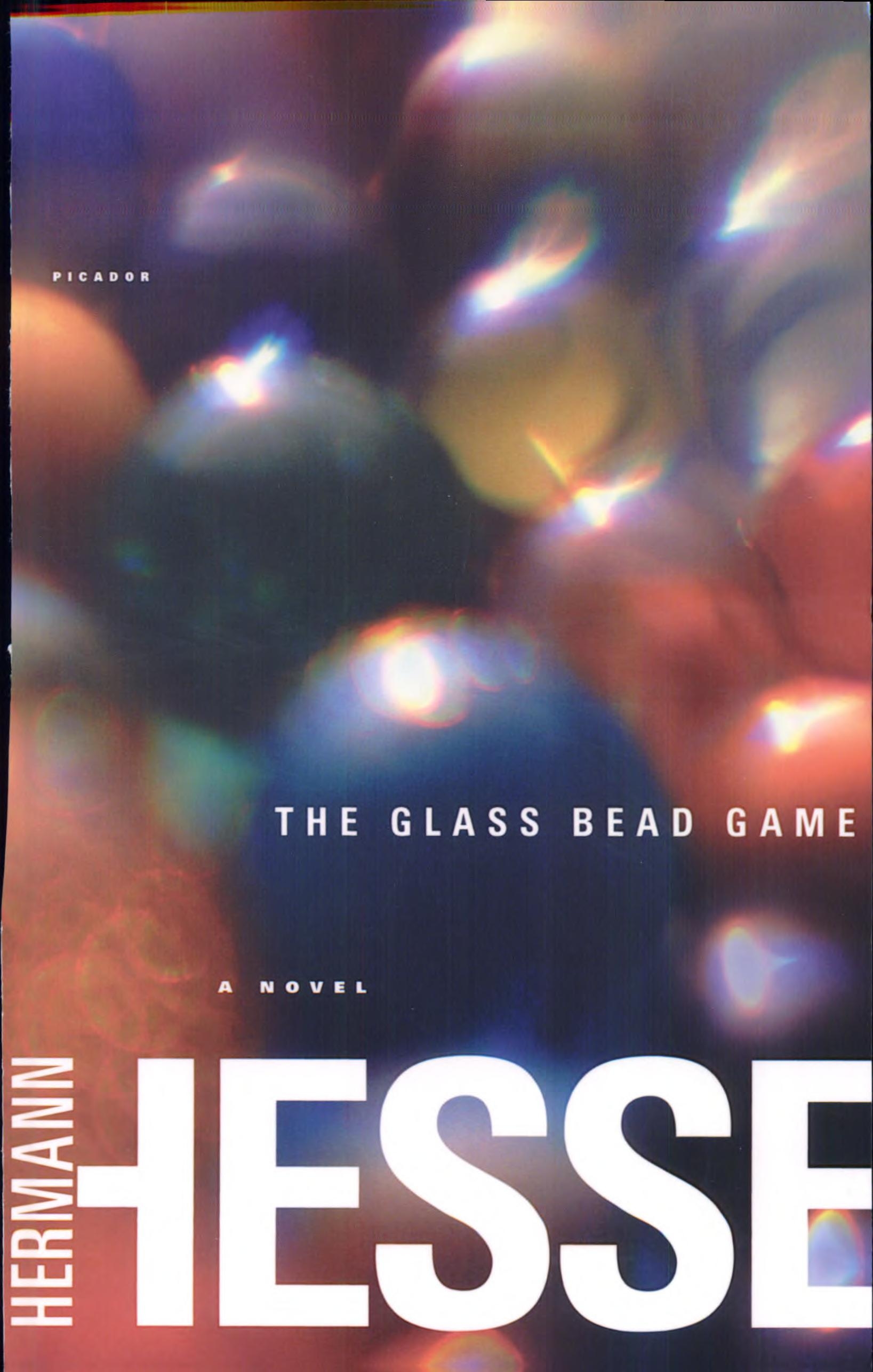
The Glass Bead Game
Hermann Hesse
Under the Wheel
Hermann Hesse
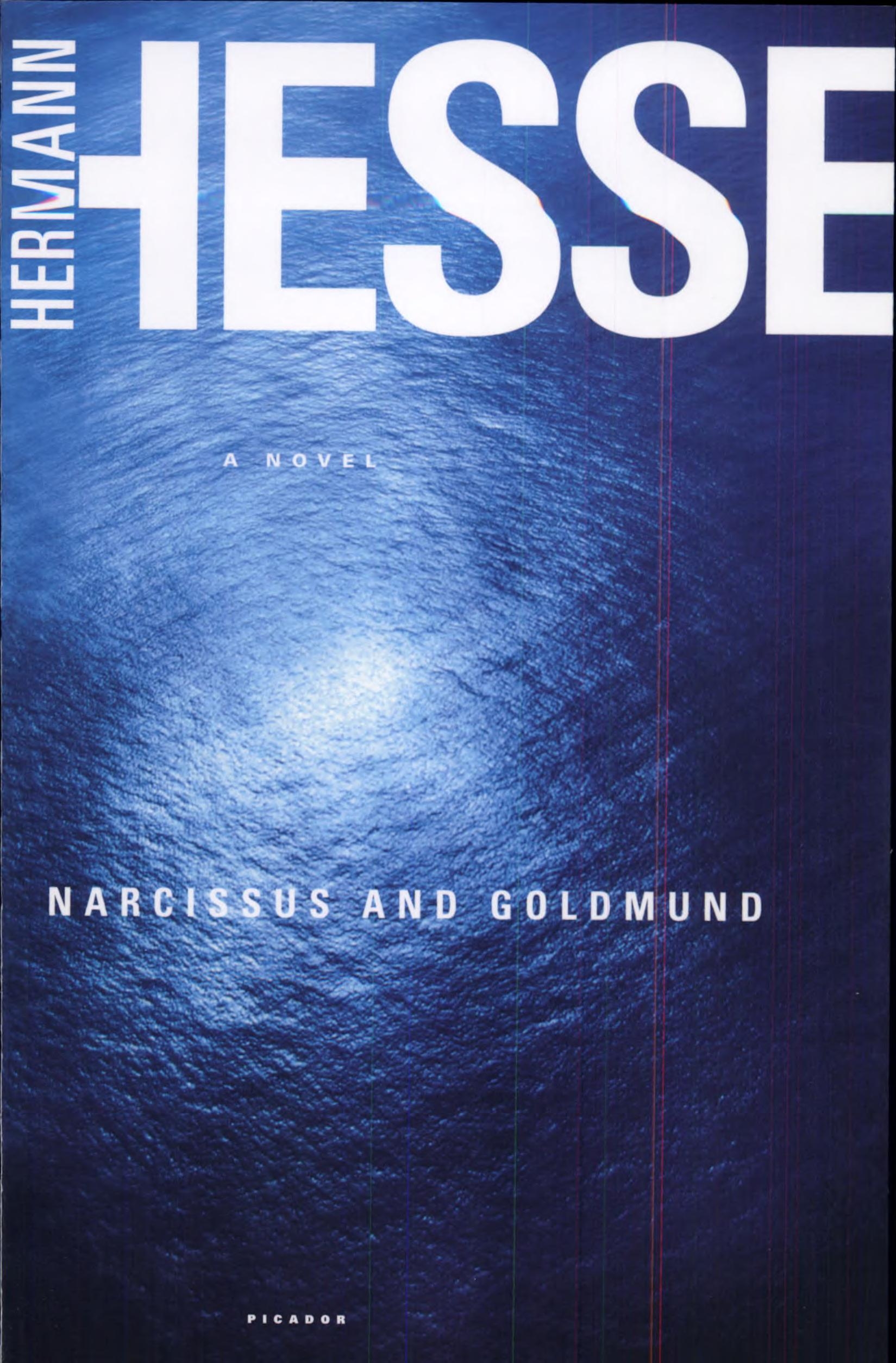
Narcissus and Goldmund
Hermann Hesse
Narziss und Goldmund
Hermann Hesse
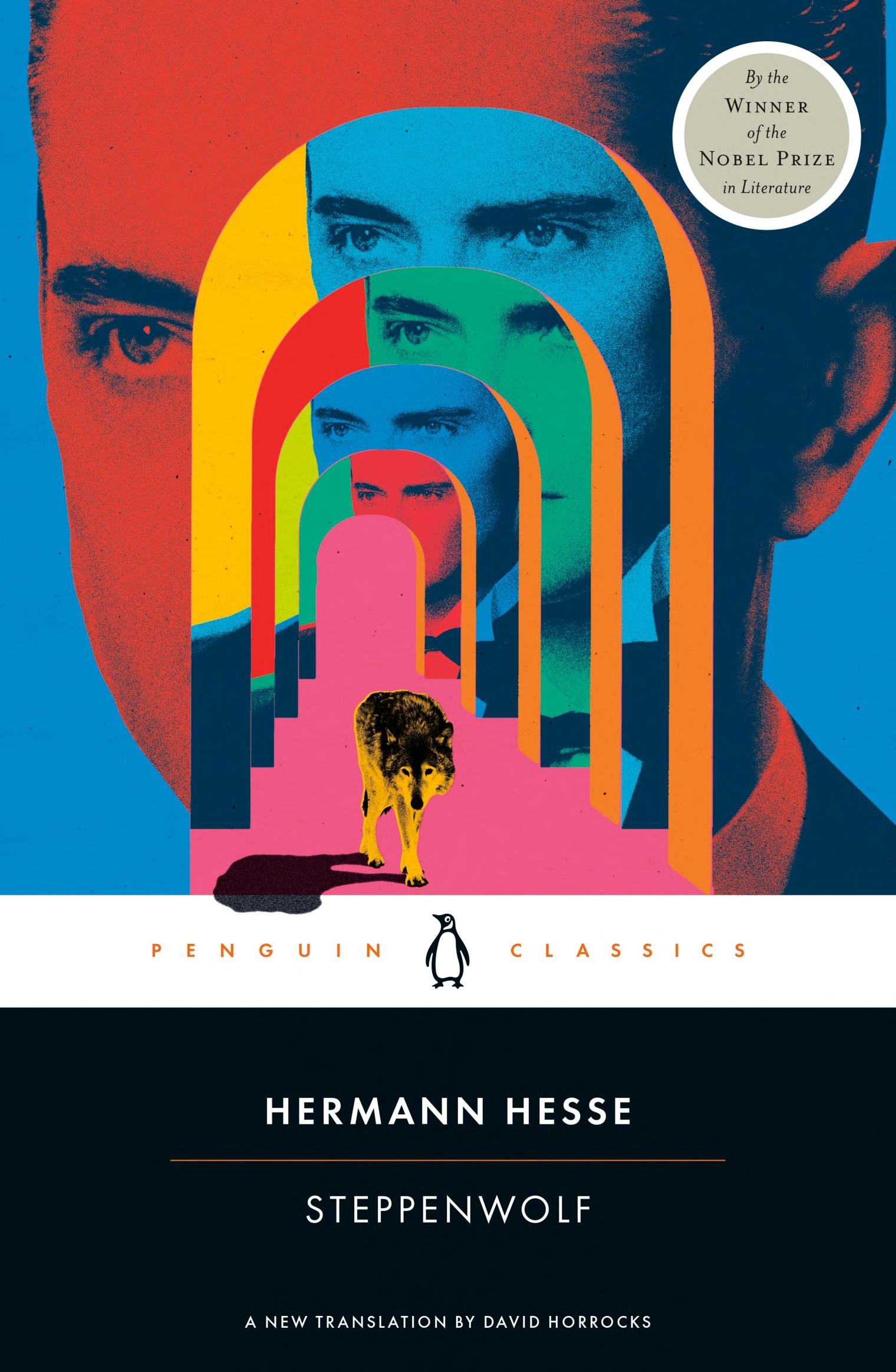
Steppenwolf
Hermann Hesse
Rosshalde
Hermann Hesse
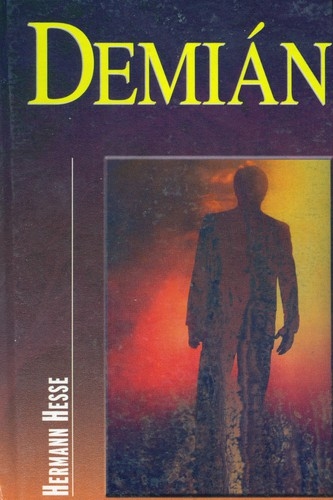
Demian
Hermann Hesse
Klingsor's Last Summer
Hermann Hesse
The Journey to the East
Hermann Hesse
Siddhartha by Herman Hesse
Hermann Hesse
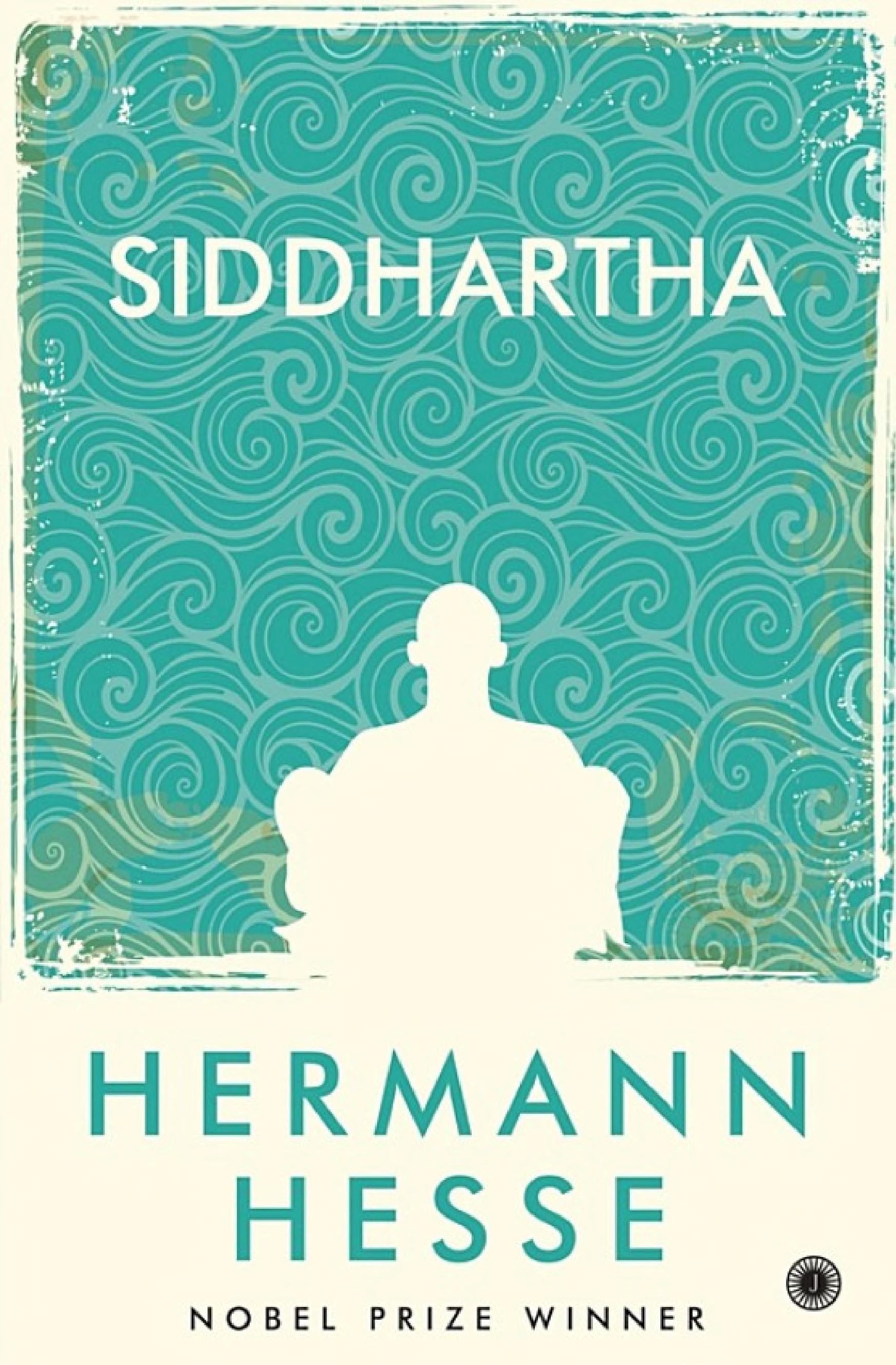
Siddhartha
Hermann Hesse
Siddhartha Herman Hesse
Siddhartha Herman Hesse
Hermann Hesse
Siddhartha Hermann Hesse
Hermann Hesse
Knulp
Hermann Hesse
Siddhartha-An Indian Tale
Hermann Hesse
Siddhartha by Hermann Hesse
Hermann Hesse
Steppenwolf, by Hermann Hesse
Hermann Hesse
The Prodigy
Hermann Hesse