Franz Kafka
Defining the 'Kafkaesque' — surreal, nightmarish narratives of individuals trapped in incomprehensible systems of power and guilt.
Biography
Franz Kafka was a German-language novelist and short story writer born in Prague in 1883, whose surreal, nightmarish fiction gave the world the adjective 'Kafkaesque.' Working as an insurance clerk by day, he wrote visionary works exploring alienation, bureaucratic absurdity, and existential dread that went largely unpublished in his lifetime. His friend Max Brod famously defied Kafka's dying wish to burn his manuscripts, preserving novels like The Trial and The Castle that would profoundly influence 20th-century literature.
Best Starting Book
The Metamorphosis
At under 60 pages, this iconic novella delivers the full Kafka experience — alienation, dark humor, and existential horror — in a single unforgettable sitting.
Reading Order
The Metamorphosis
A short, shocking masterpiece about a man who wakes up as an insect — the single best entry point into Kafka's unsettling genius.
The Trial
A man is arrested and prosecuted by an inscrutable authority — Kafka's most fully realized nightmare of bureaucratic absurdity.
The Castle
A land surveyor's futile attempt to reach an unreachable authority — Kafka at his most labyrinthine and philosophically rich.
In the Penal Colony
A disturbing short story about a torture device that writes sentences on prisoners' bodies — concentrated Kafkaesque horror.
Amerika
Kafka's unfinished first novel about a young immigrant's picaresque misadventures — his most humorous and accessible longer work.
Books by Franz Kafka
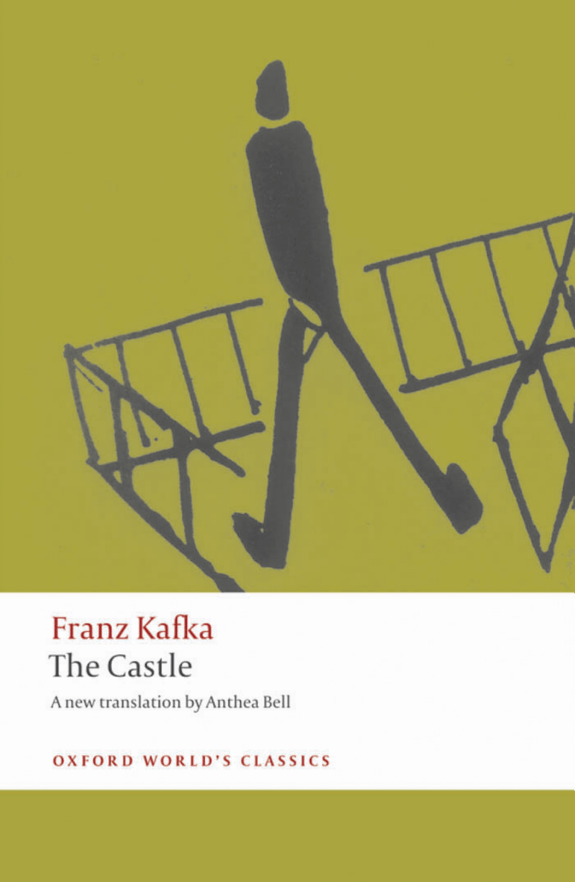
The Castle
Franz Kafka
The Trial
Franz Kafka
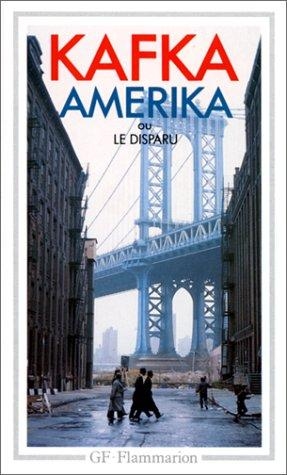
Amerika
Franz Kafka, Ritchie Robertson
Briefe an Milena
Franz Kafka
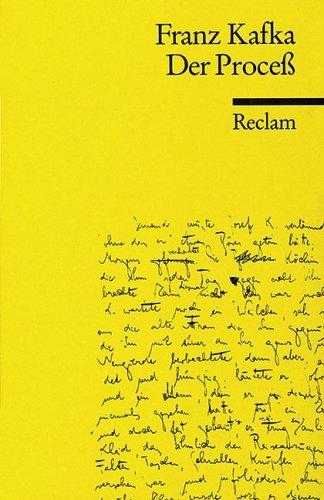
Der Proceß
Franz Kafka
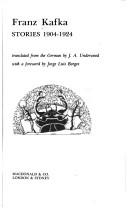
Short stories
Franz Kafka
The Trial - Franz Kafka
Franz Kafka
The Zürau Aphorisms of Franz Kafka
Franz Kafka
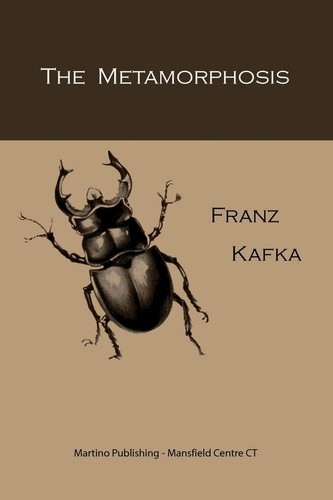
Die Verwandlung
Franz Kafka
Metamorphosis by Franz Kafka
Franz Kafka
The Metamorphosis - Franz Kafka
Franz Kafka
Metamorphosis
Franz Kafka
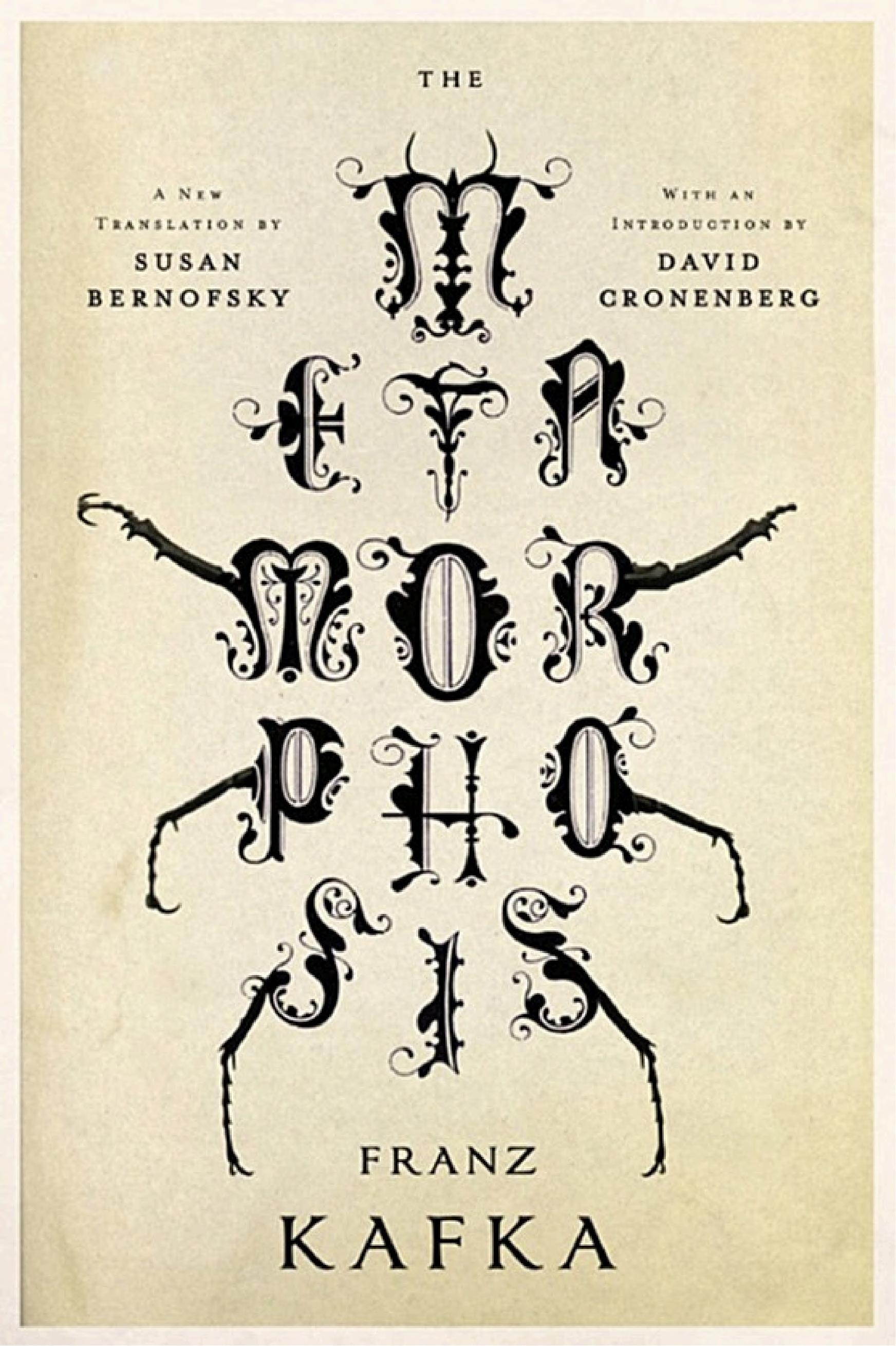
The Metamorphosis
Franz Kafka
The Metamorphosis by Franz Kafka
Franz Kafka
The Trial [Der Prozess] by Franz Kafka
The Trial [Der Prozess] by Franz Kafka
Franz Kafka