Albert Camus
Exploring the absurd condition of human existence through spare, luminous prose that bridges literature and philosophy.
Biography
Albert Camus was a French-Algerian author and philosopher born in Mondovi, French Algeria in 1913. A key figure in existentialist and absurdist thought, he explored themes of alienation, mortality, and the search for meaning in an indifferent universe. He won the Nobel Prize in Literature in 1957 at the age of 43, making him the second-youngest recipient at the time. His works including The Stranger, The Plague, and The Myth of Sisyphus remain cornerstones of 20th-century literature and philosophy. He died in a car accident in 1960 at the age of 46.
Best Starting Book
The Stranger
At barely over 100 pages, it delivers a complete philosophical worldview through a deceptively simple story — the ideal entry point into Camus's thought and one of the most important novels of the 20th century.
Reading Order
The Stranger
Camus's iconic debut — a short, stunning novel about alienation and indifference that distills absurdist philosophy into an unforgettable narrative.
The Myth of Sisyphus
The philosophical essay that accompanies The Stranger — essential for understanding Camus's concept of the absurd.
The Plague
An allegorical novel about an epidemic in an Algerian city that explores solidarity, suffering, and resistance against the absurd.
The Fall
A darkly ironic confession by a self-proclaimed 'judge-penitent' — Camus's most psychologically intricate work.
The Rebel
A philosophical essay on revolution and revolt that completes Camus's intellectual journey from absurdity to rebellion.
Books by Albert Camus
The Plague, The Fall, Exile and the Kingdom, and Selected Essays
Albert Camus
Lyrical and Critical Essays
Albert Camus
The First Man
Albert Camus
The Rebel
Albert Camus
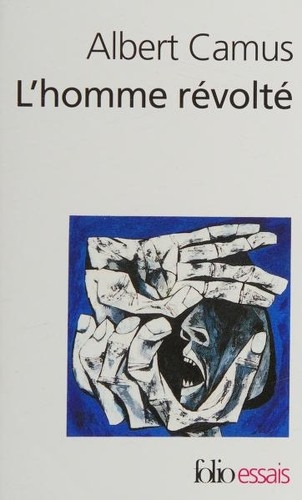
L'Homme révolté
Albert Camus
The Plague
Albert Camus
Notebooks, 1951-1959
Albert Camus
Resistance, Rebellion, and Death
Albert Camus
The Myth of Sisyphus And Other Essays
Albert Camus
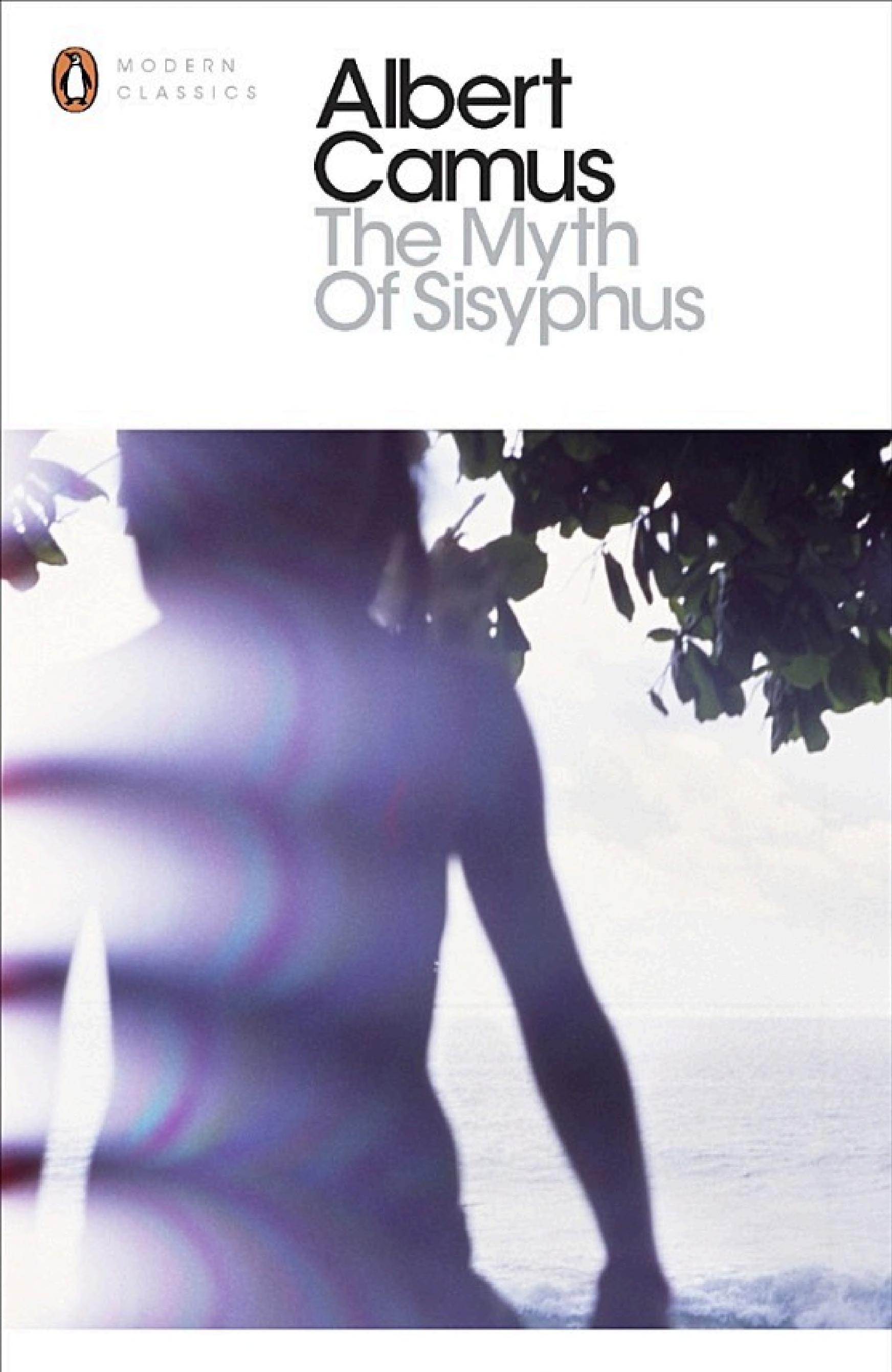
The Myth of Sisyphus
Albert Camus
Happy Death
Albert Camus
A Happy Death
Albert Camus
Exile and the Kingdom
Albert Camus
Algerian Chronicles
Albert Camus
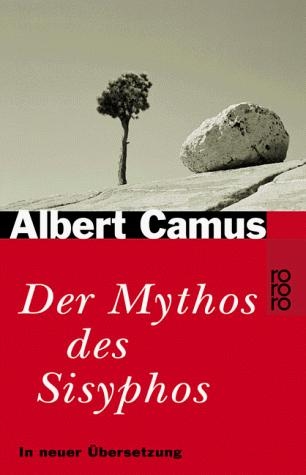
Le mythe de Sisyphe
Albert Camus
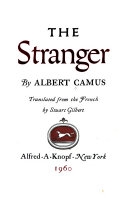
The Stranger
Albert Camus
Personal Writings
Albert Camus
Christian Metaphysics and Neoplatonism
Albert Camus
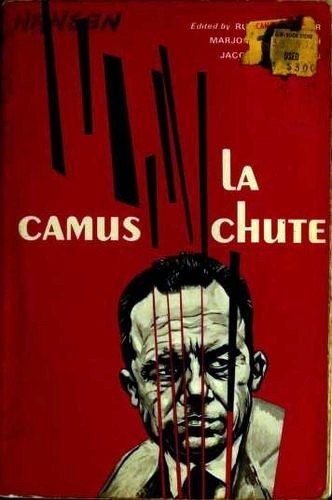
La Chute
Albert Camus
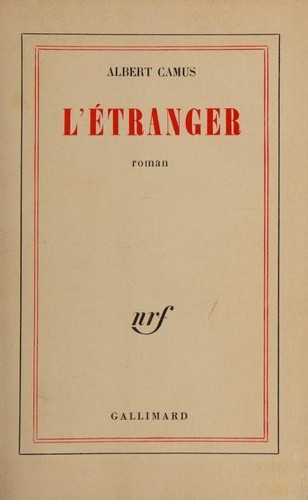
L’étranger
Albert Camus